MORE THAN 665,000 AIRCRAFT USED SERBIA’S AIRSPACE SINCE THE BEGINNING OF THE YEAR
Serbia - air traffic
08/21/2026
10:36
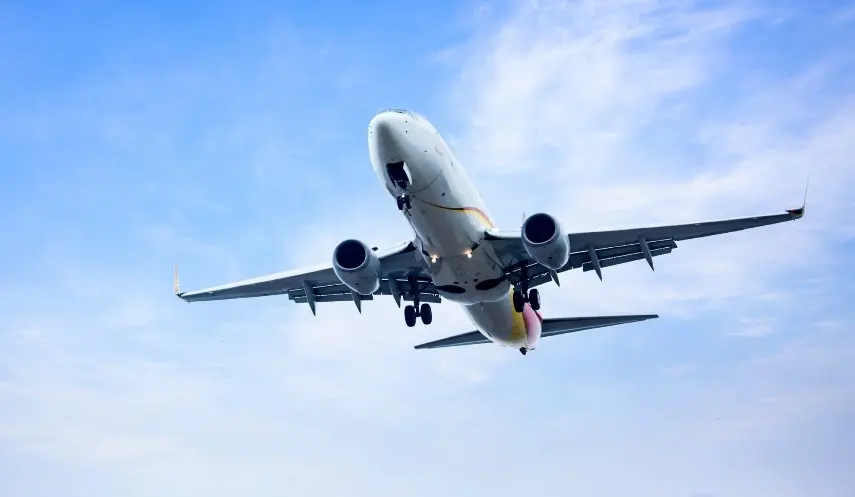
BELGRADE, AUGUST 20 /SRNA/ - More than 665,000 aircraft have used Serbia and Montenegro’s airspace since the beginning of the year, the Office of the CEO of the Serbia and Montenegro Air Traffic Services Agency /SMATSA/ told SRNA.
This is two percent, or around 11,000 aircraft, more than during the same period last year within SMATSA's area of responsibility. The agency provides air traffic control services in the airspace of Serbia, Montenegro and part of the airspace over the Adriatic Sea.
During the summer season, when the number of operations is at its highest, air traffic controllers handle an average of around 3,900 aircraft every day, 88 percent of which are overflights through Serbia’s airspace.
At the airports in Belgrade, Podgorica, Kraljevo, Niš, Batajnica, Tivat and Vršac, there have been a total of 74,000 takeoffs and landings since the beginning of the year, five percent more than during the same period last year.
"At the same time, a record 399 takeoffs and landings were recorded at Belgrade's Nikola Tesla Airport on Friday, August 14, in a single day," the Air Traffic Services Agency said in a written response.
Regarding the daily number of operations, they said that new records have been set year after year, with as many as 4,241 aircraft recorded in the airspace of Serbia and Montenegro on July 4, while 283 aircraft were handled in a single hour.
Continuous growth in air traffic has been recorded since 2020. SMATSA currently handles 40 percent more operations than in the benchmark year of 2019, while European air traffic only returned to 2019 levels this year.
Several factors are contributing to the growth of air traffic in Serbia’s airspace, including its geographical position and, in recent years, global geopolitical developments. As SMATSA explained, conflicts in Ukraine and the Middle East have led to changes in established flight routes and the rerouting of traffic.
They noted that the same occurred during the initial clashes between Israel and Iran last year, when 400 additional aircraft were recorded in the airspace of Serbia and Montenegro in a single day, although their planned routes had originally been expected to pass through other airspace.
"Such changes require a resilient and flexible system, as well as highly trained and experienced personnel, while SMATSA air traffic controllers play a key role in ensuring the safe and efficient flow of air traffic," the Air Traffic Services Agency explained.
They recalled that the company achieved a historic milestone on December 12 last year, when it handled its one-millionth commercial aircraft. By the end of the year, that figure had risen to 1,040,037 commercial aircraft.
"New records and continuous traffic growth confirm the importance of the airspace of Serbia and Montenegro within European air traffic flows, as well as the strength of the system that ensures every day that this traffic operates safely, efficiently and without interruption," SMATSA concluded.


LIGHTNING STRIKES AND KILLS MAN NEAR CELJE, ANOTHER SLIGHTLY INJURED
ARBUTINA: IF THIS TREND CONTINUES, CROATIA WILL BE LEFT WITHOUT A SINGLE ANTI-FASCIST MONUMENT

DODIK: HIGH LEVEL OF COOPERATION FOUNDATION FOR IMPROVING SERBS - HUNGARIANS RELATIONS
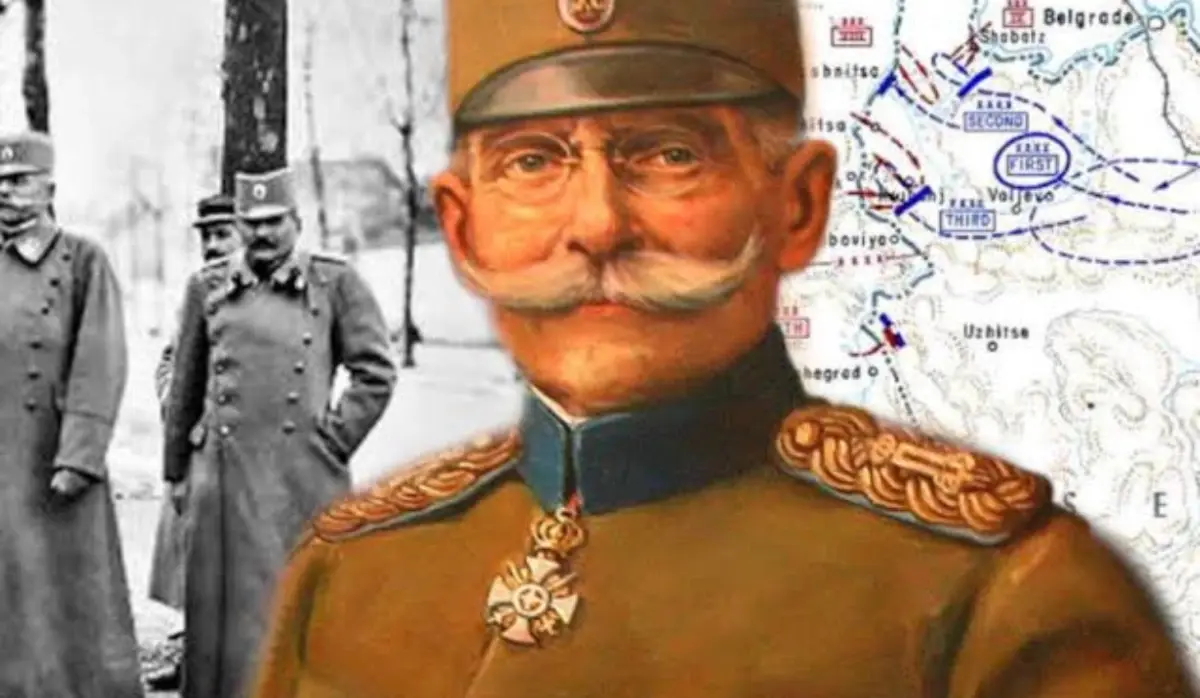
PAVLE JURIŠIĆ ŠTURM - FAMOUS GENERAL OF THE SERBIAN ARMY