MIRIĆ: ATTACKS ON THE JADOVNO 1941 ASSOCIATION PART OF BROADER NARRATIVE AGAINST SERBS
Croatia - execution sites
10/19/2026
13:48

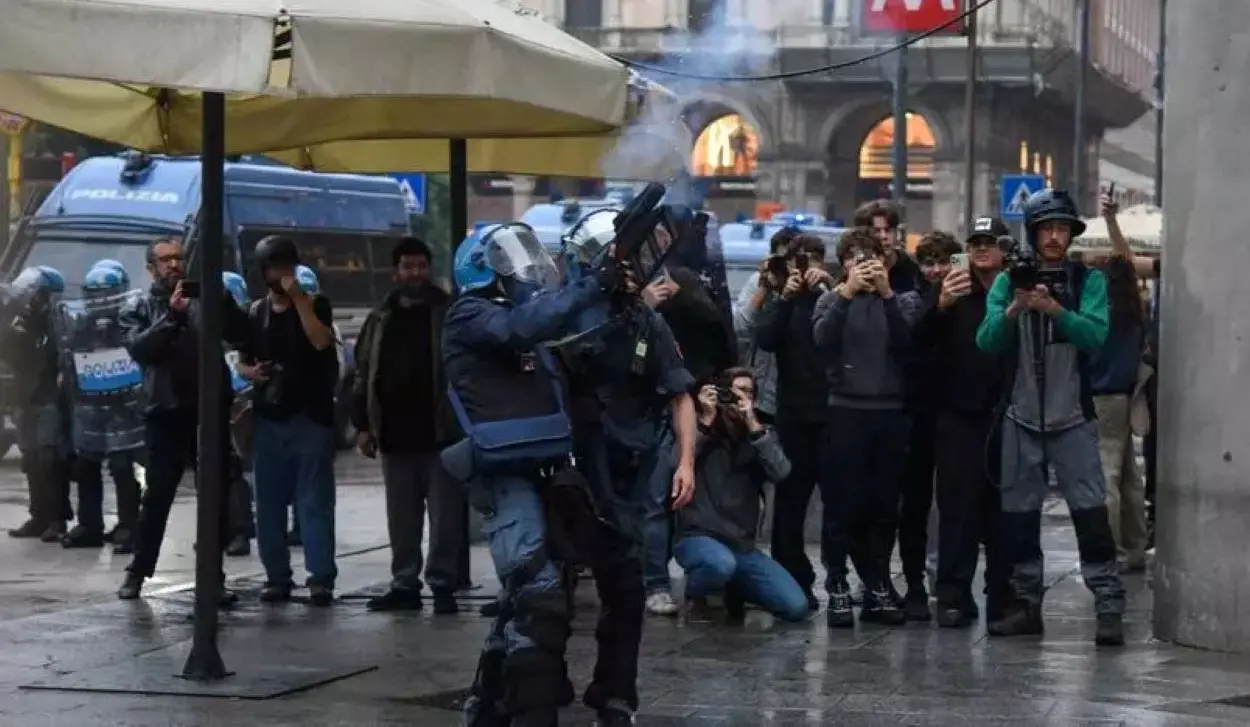
BELGRADE, OCTOBER 19 /SRNA/ – Allegations made in the Croatian Parliament that the Jadovno 1941 Association is a special terrorist organisation conquering Croatian territory by installing wooden Orthodox crosses at execution sites are incomprehensible and form part of a broader narrative against the Serb people in Croatia, Momčilo Mirić, the head of the Belgrade-based association, told SRNA.
He pointed out that, in addition to statements made in Parliament, the Jadovno Association's announcement about the restoration of a wooden cross above Malin Cove on the island of Pag had been met with tens of thousands of negative comments and threats on social media, clearly indicating that present-day Croatia has not confronted its past.
"They are all unanimous, without exception, and what characterises them is the open threat of murder, slaughter and throwing people into the sea, as expressed in those comments. This reflects the broader narrative against the Serb people in the Croatian state," Mirić said.
He stressed that Jadovno 1941 is dedicated to preserving the culture of remembrance so that the victims are not erased from memory and, in that sense, killed once again.
"We cannot allow that to happen, and that is the focus of our work. Some of the crosses have stood at sites where Serbs were killed in the Independent State of Croatia /NDH/ for 10 years and have been exposed to deterioration due to the harsh climate. We have refurbished them, sanded them down and varnished them to ensure they survive," Mirić said.
He stated that Croatian MPs should understand that these are not structures in the cadastral sense, but temporary, removable installations placed solely to ensure that those who suffered are not forgotten.
"Remembrance is what we need, for our victims to remain with us, for memorial services to be held around these crosses, and for us to do everything possible to rescue them from oblivion," Mirić said.
He emphasised that the association had officially notified the authorities of all pilgrimages to Serbs execution sites and of every cross installation, and had received approval and an escort by the Croatian police, despite MPs in the Croatian Parliament now claiming to be unaware of this.
"We have been accused of acting arbitrarily, on our own initiative and without any control or supervision. That is untrue," Mirić said.
He noted that Croatian MPs had questioned the expertise of the Jadovno Association and made false claims that it lacked support from historians.
He pointed out that the Zagreb-based Ivo Pilar Institute of Social Sciences had mentioned the Jadovno 1941 Association as a source of data used in its academic research in more than 70 places in its collection of papers, Slana and Metajna: Prison Camps on Pag and the Culture of Remembrance.
Speaking about the criminal complaint filed against the association over its social media post concerning the restoration of the crosses, Mirić said it remained to be seen how the matter would develop. He added that he expected everyone, including MPs in the Croatian Parliament, to be informed that all activities had been carried out legally.
"We hope there will be some reconsideration and, I would say, some easing of tensions. Ideally, all of this would be allowed to pass, so that we could act more reasonably and rationally and continue our activities. There is no reason for this hostility. We are exclusively dedicated to remembering our victims," Mirić said.
He recalled that, according to research by Đuro Zatezalo, at least 38,000 Serbs and around 2,000 Jews were killed in the Jadovno–Gospić–Pag prison camp complex.
"The number of people killed at the time the camp above Malin Cove was closed, where we recently restored a cross and announced it on social media, was 791. Of these, 91 were children, 293 were women and 407 were men. The Italians, who reoccupied that area, exhumed the victims who had been buried in shallow graves and documented in detail how they had been tortured. Everything is documented and beyond dispute," Mirić said.
Predrag Mišić, a member of the Homeland Movement party, recently raised the issue of crosses installed at the site of the former NDH Jadovno–Gospić–Pag prison camp system in the Croatian Parliament and questioned the motives of the Jadovno 1941 Association.
The Homeland Movement subsequently filed a complaint with the Zadar police and the municipal authorities of the town of Novalja, requesting that the competent institutions investigate the circumstances surrounding the installation of the memorials.
Novalja Mayor and Croatian MP Ivan Dabo claims that the restored Orthodox cross above Malin Cove was installed without the consent of the town authorities and has announced legal action to have it removed.