MILIVOJEVIĆ: ICELAND REFERENDUM RESULT - WARNING TO EU
Serbia - geopolitics
09/02/2026
12:50
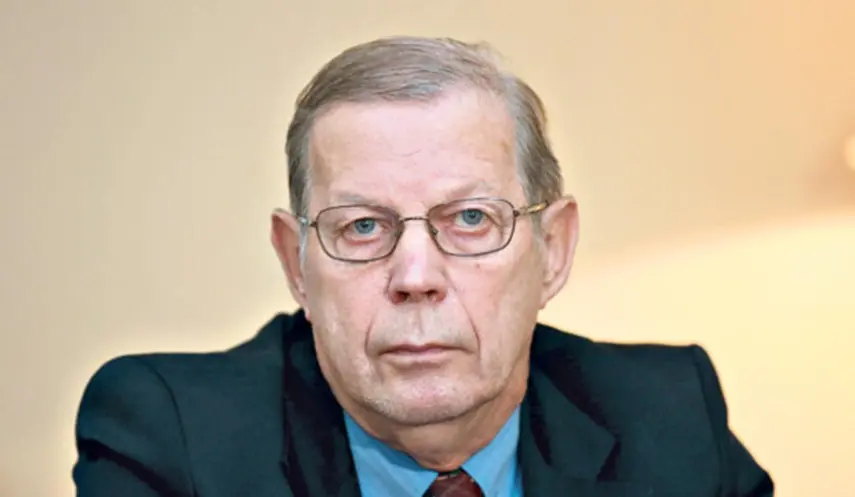
BELGRADE, SEPTEMBER 2 /SRNA/ - The outcome of the referendum in Iceland, namely the majority opposition among the country's residents to resuming EU accession negotiations, is a warning and a message to the Union that its policies are no longer as attractive as they once were, career diplomat Zoran Milivojević said.
Milivojević told SRNA that the outcome of the recent referendum shows that Icelanders have given precedence to sovereignty and the country's sovereign position over what the EU could guarantee them.
"The second message is that Iceland has assessed that it is entirely sufficient for the country to be, in a way, already integrated through the Schengen Area and the European single market," Milivojević said.
According to him, the main reason this happened is that the EU has changed both its policies and its very essence.
"The EU is no longer a project based on peace and the economy, but one that has opted for geopolitics and, with its current policies, for militarization, which apparently is not finding fertile ground or broad support, including among the Union’s own member states as well as countries aspiring to join it," Milivojević explained.
He said that the second factor is the reforms the EU is preparing, which call into question the standards and position it once had as a project guaranteeing prosperity, the rule of law and democratic institutions.
"This growing predominance of geopolitics and EU policies, together with the reforms it is offering to new candidates, a new concept without voting rights, with accession being postponed, and with changes to the key elements that have defined the EU - all of this is discouraging new countries and calling into question both the enlargement policy and the Union’s attractiveness in the future," Milivojević said.
He said this would have a negative impact on the EU’s enlargement policy itself, with Montenegro set to be the first test.
"It is clear that following the proposal by 11 EU member states to admit new countries without voting rights, this will be a major test and a message to Montenegro and all new members that they can expect to join the Union under a changed format, contrary to what is set out in the Treaty of Lisbon, as well as to what was once the platform and essence of EU policy," Milivojević said.
He added that this is clearly changing and working to the detriment of the enlargement policy.
"In any case, this represents a reduced offer from the EU and of possible future membership compared with what it once was. That was also one of Iceland's key considerations, and in that sense, Iceland is a warning and a message to the EU," Milivojević stressed.
Icelandic voters rejected in a referendum the government’s proposal to resume EU accession negotiations, which had been frozen in 2013, effectively voting against joining the EU.
Some 52.8 percent of those who turned out voted against, while 47.2 percent voted in favour of resuming the negotiations.
Iceland, which has a population of around 400,000, is already part of the European single market and contributes to European funds in exchange for access to the market. It is also part of the Schengen Area.
The country is a member of NATO but does not have its own military.

ERDOGAN: FRUITFUL MEETING WITH PUTIN

GRATITIDE EXPRESSED TO COUNCILLORS WHO SUPPORTED INITIATIVE TO REMOVE FARUK ĐOZIĆ FROM OFFICE
DECISION ON PROTECTION OF GEOGRAPHICAL INDICATION FOR KALINOVIK STELJA PRESENTED
GOVERNMENT SUPPORT TO IMPROVE SERVICES OF THE DR MIROSLAV ZOTOVIĆ INSTITUTE