MESSAGES FROM THE LATE PATRIARCH PAVLE AS A RESPONSE TO ATTEMPTS TO UNDERMINE SERBIAN IDENTITY
Serbia - society - Lazić
11/14/2026
12:58

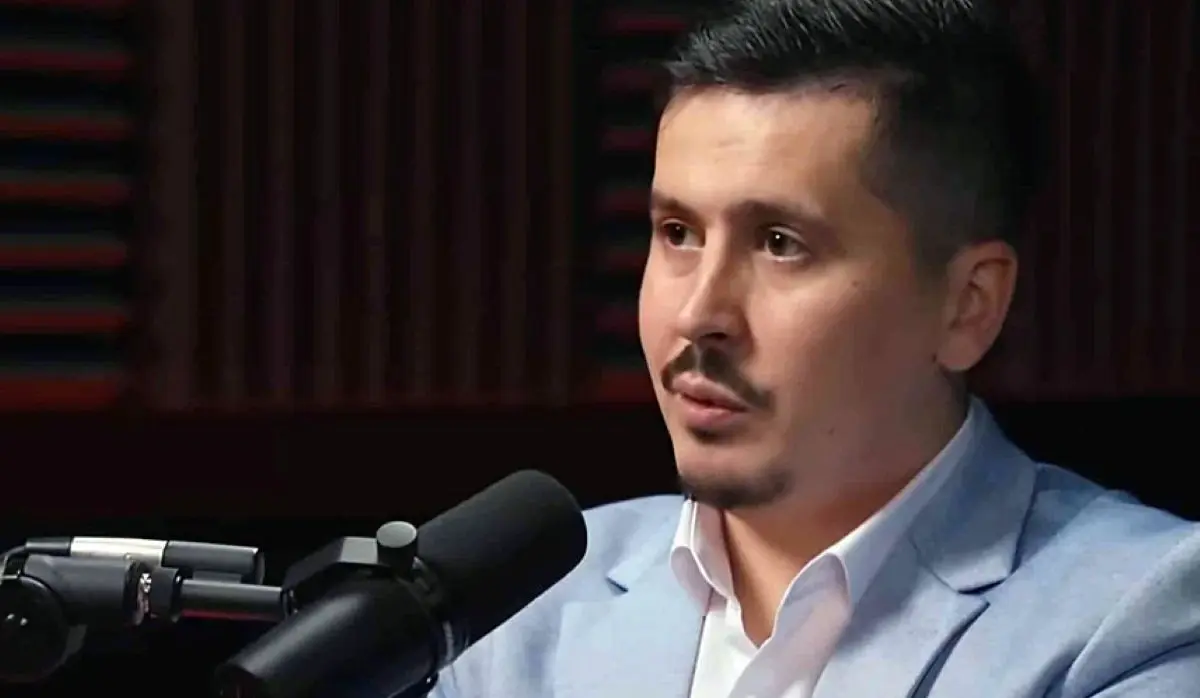
BELGRADE, NOVEMBER 14 /SRNA/ - The messages of the late Patriarch Pavle remain relevant today and can serve as a response to the identity challenges facing the Serbian people, stemming from attempts to undermine Serbian national identity, erode its cultural and spiritual foundations, and attack the Serbian Orthodox Church, theologian Nebojša Lazić told SRNA.
"Recently, the so-called Croatian Orthodox Church was once again registered with the Croatian legislature. This is nothing new; it is, in fact, a creation of the Ustasha regime under Ante Pavelić. The attacks in Kosovo and Metohija are nothing new either, and the late Patriarch Pavle himself was often targeted," Lazić said.
According to Lazić, Patriarch Pavle, in keeping with the New Testament, demonstrated through his own life that faith without works is dead, while the messages he conveyed during his lifetime were true and eternal and therefore applicable to every individual and every era.
"Even today, when we are often told that we should be this or that, that we should become something we are not in order to fit in, we should remember that Patriarch Pavle had one simple, gentle message – to be human, because, unfortunately, we have forgotten how to be human," Lazić stressed.
He believes that people today often forget to love their neighbours, as for some, "it is much easier to love God, who is transcendent, than one's neighbour, who is here with us, present in our lives and in these times".
"We often perceive Patriarch Pavle as some supernatural being, someone different from us. Essentially, he was someone who renounced his own will and devoted himself to God and his people, but in every respect he was just like us – he walked our streets, rode our trams and lived his life in accordance with what he truly believed in," Lazić said.
Lazić stressed that Patriarch Pavle represents a source of support for the Serbian people, a beacon and a guiding light for the future.
Noting that Patriarch Pavle witnessed the Serbian people's renewed "baptism", Lazić observed that the culmination of Serbs' return to their roots was the funeral of this great spiritual leader, which brought everyone together.
For Lazić, the vast procession of people who gathered on that occasion was "identical to the one served by both Saint Sava and Saint Basil of Ostrog, because Patriarch Pavle became part of that spiritual tradition".
According to Lazić, Patriarch Pavle was a spiritual giant whose deeds earned him a lasting place in history and the hearts of the Serbian people. He showed that the Serbs are a people of great saints, ascetics, and a martyred Serbian Orthodox Church, which lost everything during the Second World War.
"But in that grave, as Njegoš said, where others saw death, we saw resurrection; we saw that we had leaders worthy of being the descendants of our glorious ancestors," Lazić stressed.
He recalled that Patriarch Pavle was born on September 11, 1914, as Gojko Stojčević, in the Slavonian village of Kućanci, near Donji Miholjac, where virtually no Serbs live today.
"He spent most of his priestly ministry as Bishop of Raška and Prizren, bearing the cross of the crucified Serbian people in Kosovo and Metohija, a region that continues to endure great suffering to this day," Lazić said.
Patriarch Pavle was enthroned as Bishop of Raška and Prizren in 1957 and spent more than 33 years as a hierarch in Kosovo and Metohija, during a particularly difficult period for the Serbs and the Serbian Orthodox Church.
He was elected the 44th Patriarch of the Serbian Orthodox Church in December 1990.
Patriarch Pavle reposed in the Lord at the Military Medical Academy in Belgrade on November 15, 2009.

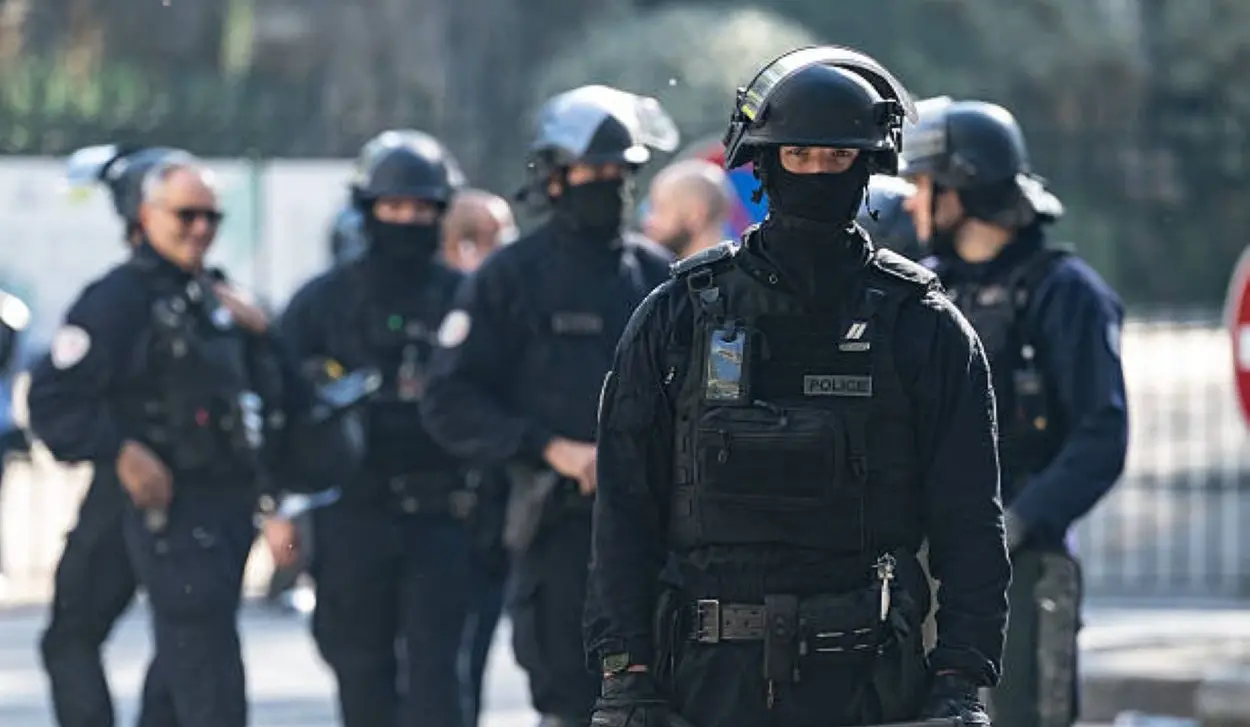
MORE THAN 219 PEOPLE DETAINED
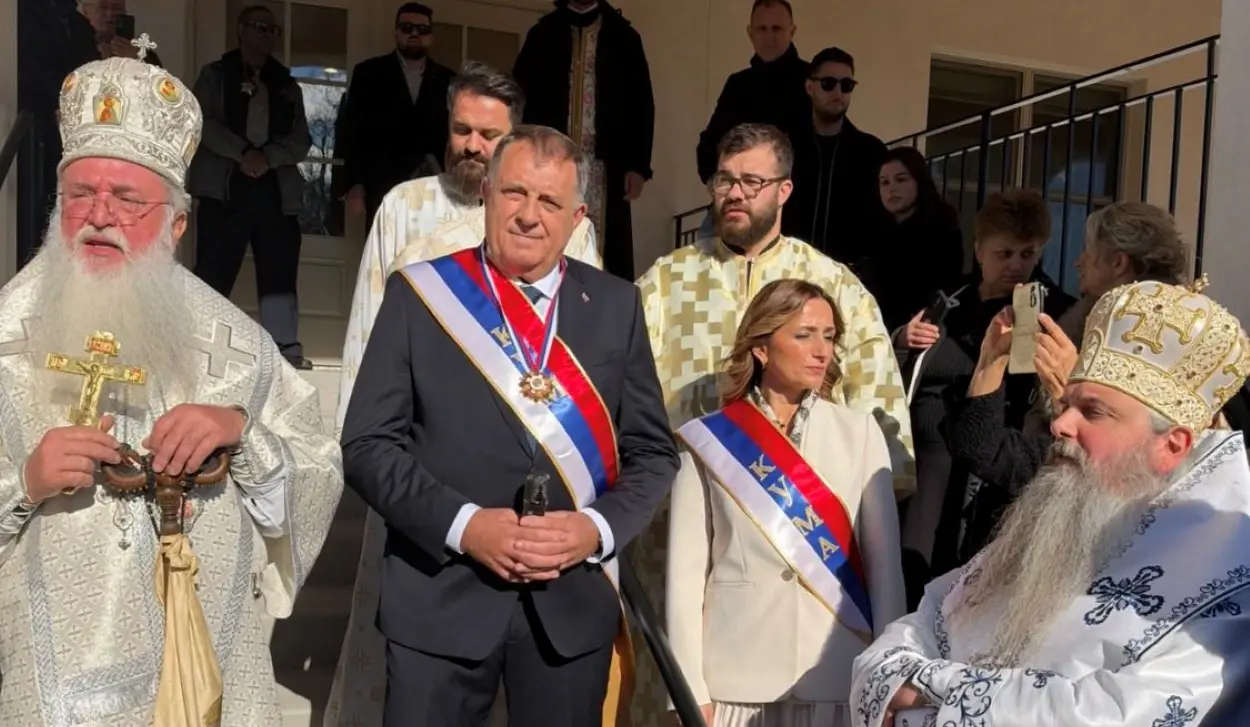
DODIK: REPUBLIKA SRPSKA IS STATE OF THE SERBIAN PEOPLE OF FAITH
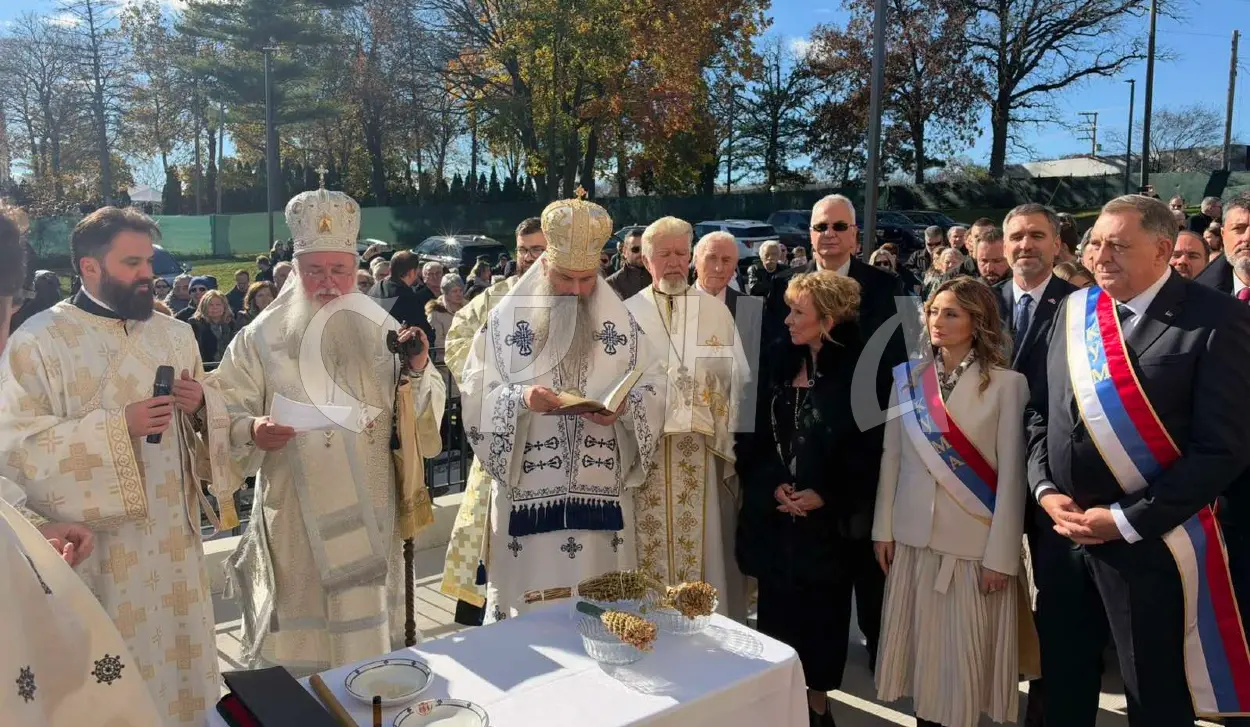
BISHOP LONGIN: REPUBLIKA SRPSKA AND PRESIDENT DODIK PROVIDED GREATEST SUPPORT FOR RENOVATION OF THE SPIRITUAL CENTRE
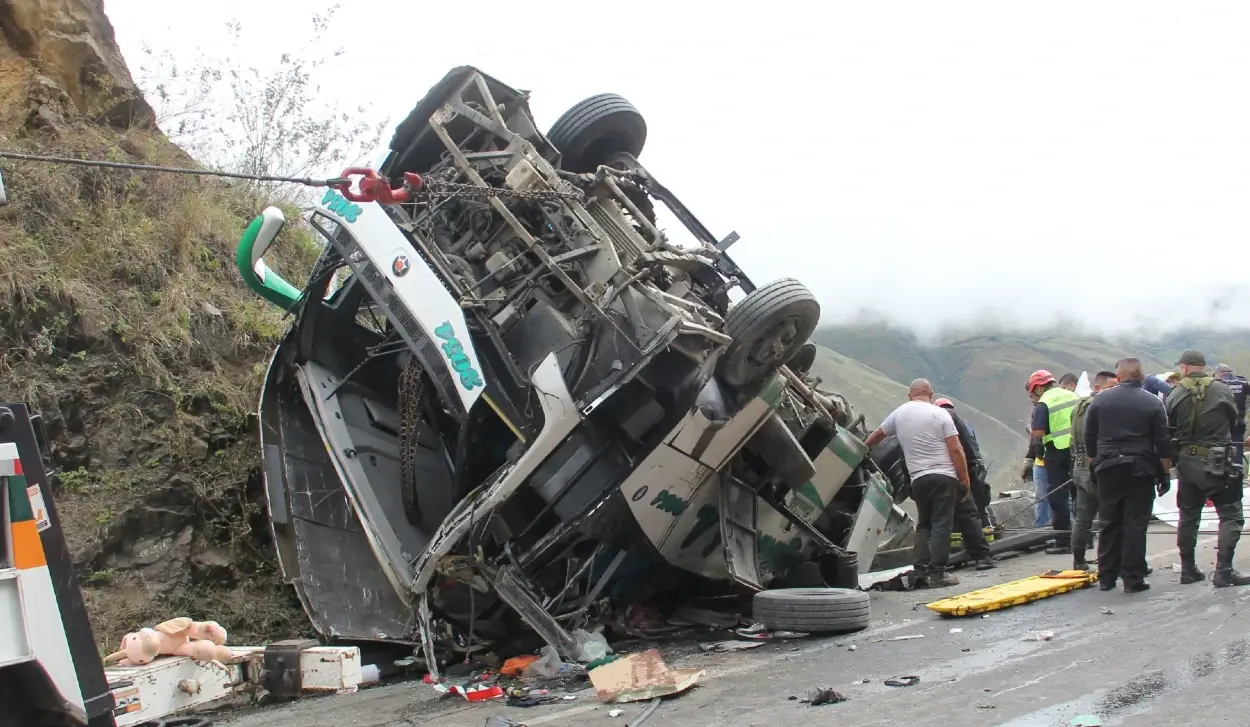
BUS OVERTURNS IN SOUTHWESTERN COLOMBIA, EIGHT KILLED