LINTA: SERBIA SHOULD ASK THE EU TO BAN OPERATION STORM CELEBRATIONS
Croatia - war crimes
08/03/2026
12:43
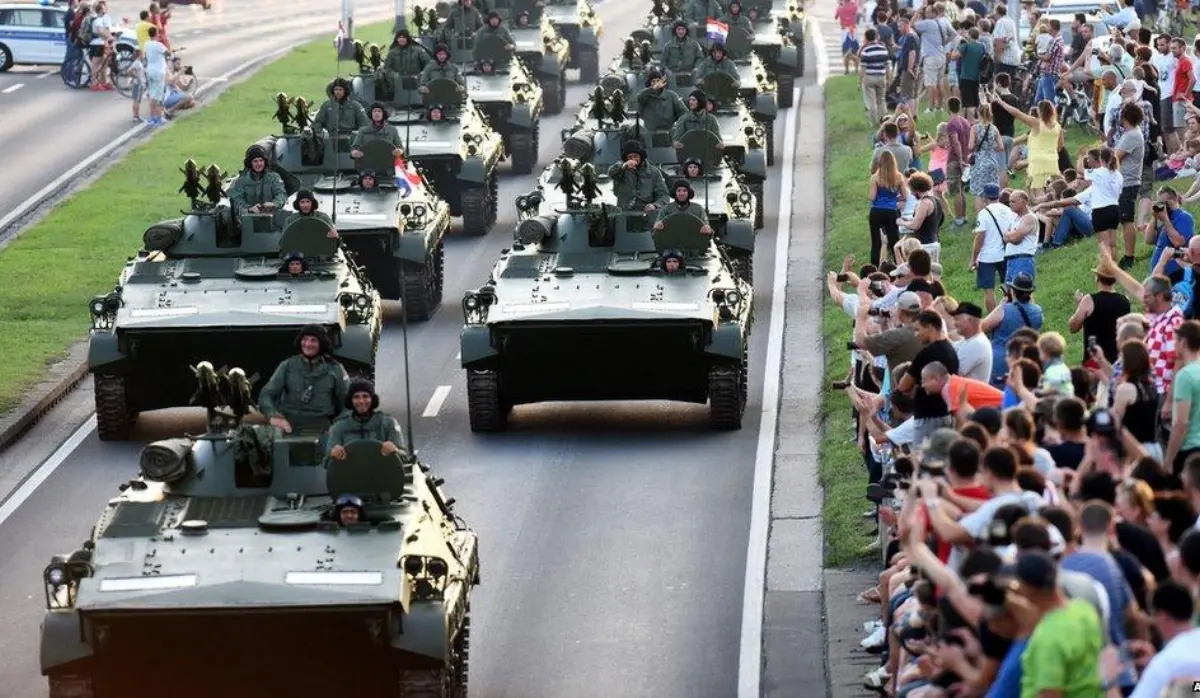
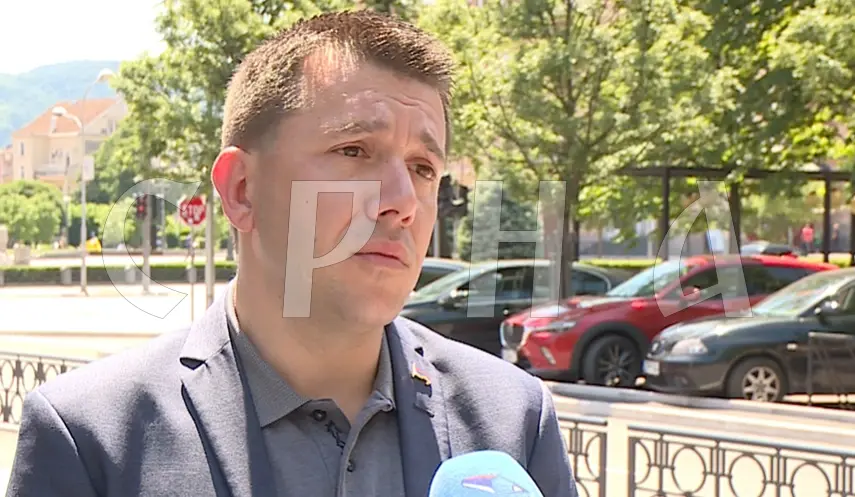
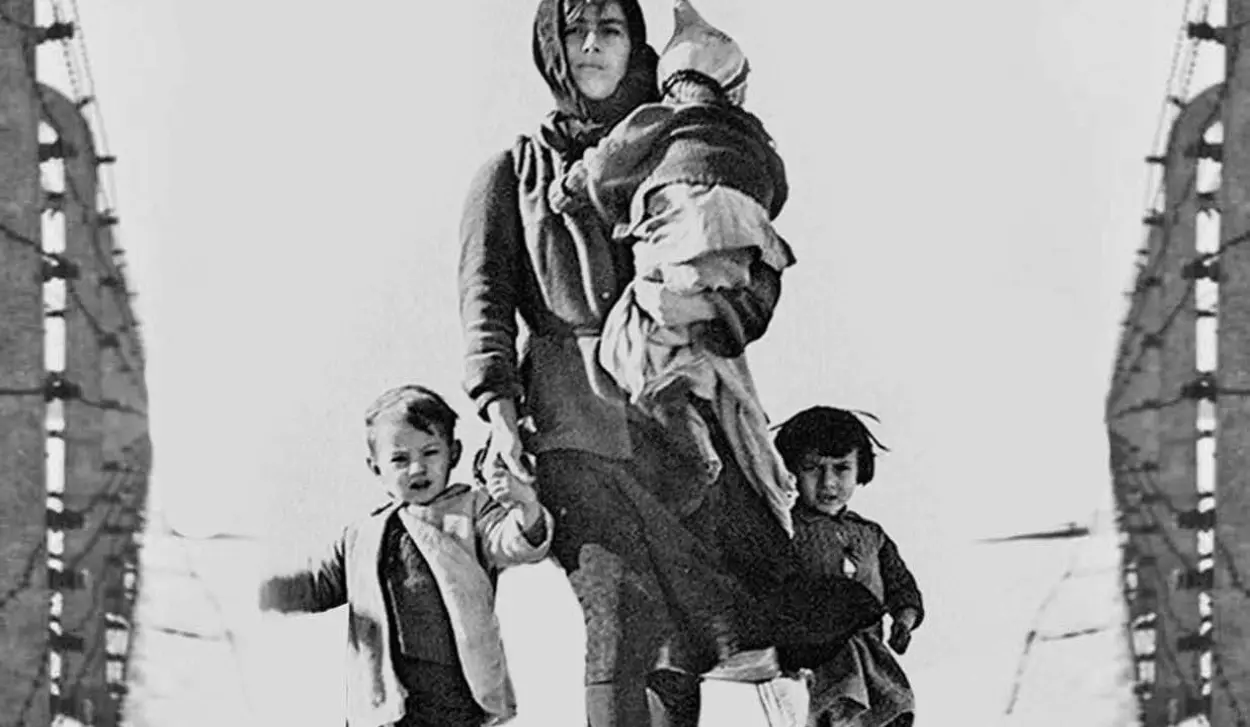
BELGRADE, AUGUST 3 /SRNA/ - President of the Alliance of Serbs from the Region Miodrag Linta today urged the Serbian Government to ask the EU to ban Croatia from celebrating the criminal Operation Storm, in which 2,000 Serbs were killed, including 1,200 civilians, and 250,000 Serbs were expelled.
Linta said there were several reasons why such a request should be submitted to the EU, the first being that Croatia is ignoring its EU Accession Treaty, which entered into force in 2013, as well as other international obligations to prosecute all war crimes.
He recalled that, according to a recent report by the well-known Croatian human rights organisation Documenta, numerous war crimes committed against Serbian civilians and prisoners of war are not being investigated in Croatia, the Alliance of Serbs from the Region said.
"There are no active proceedings for mass crimes against Serbs in the criminal operations Flash and Storm, as well as in other criminal operations and in many Croatian cities. It is completely clear that Croatia is violating both its domestic and international obligations," Linta said.
He pointed out that in 2015 the Hague Tribunal qualified the military operation Storm as ethnic cleansing, that is, an operation whose planned objective was the expulsion of Serbs, and therefore it is absolutely unacceptable for an EU member state to celebrate the ethnic cleansing of a people.
Linta said that Croatia celebrates the expulsion of 250,000 Serbs and does not acknowledge more than 2,000 Serbian victims, including more than 1,200 civilians, thereby endangering peace and cooperation with Serbia because it remains trapped in the past.
"In Croatia, Serbian victims are humiliated, insulted, belittled, downplayed and denied. Croatia rejects any possibility of erecting memorial plaques with the names of those killed at numerous sites where Serbian civilians suffered," Linta said.
He also pointed out that there are around 30 known mass graves and burial sites in the Krajina region containing the remains of Serbs, but that the authorities refuse to exhume them and obstruct identification efforts. Meanwhile, forensic medicine institutes in Zagreb, Osijek and Rijeka hold around 900 sets of victims' remains, of which, according to estimates, at least 50 percent are remains of Serbs.
"Croatia has been blocking the resolution of the cases of 1,725 missing persons who have been on its list of missing people for years. The key reason is the fact that more than 1,000 of them are Serbs," Linta stressed.
For this reason, he said, Croatia has persistently refused to disclose the ethnic affiliation of the missing persons and publicly state how many missing Serbs and Croats there have been from 1991 to 1995.
"By banning the celebration of the criminal operation Storm and through concrete demands from the EU, more favourable conditions would be created for Croatia to finally prosecute mass crimes against Serbian civilians and prisoners of war, acknowledge Serbian victims and allow numerous sites of suffering to be marked with memorial plaques, resolve the issue of missing persons, as well as return confiscated Serbian property and vested rights to individuals and legal entities, and pay compensation for destroyed property," Linta concluded.