LINTA: "HOMELAND WAR" WAS CRIMINAL, AGGRESSIVE AND DIRECTED AGAINST SERBS
Region - Association of Serbs
02/24/2026
13:18
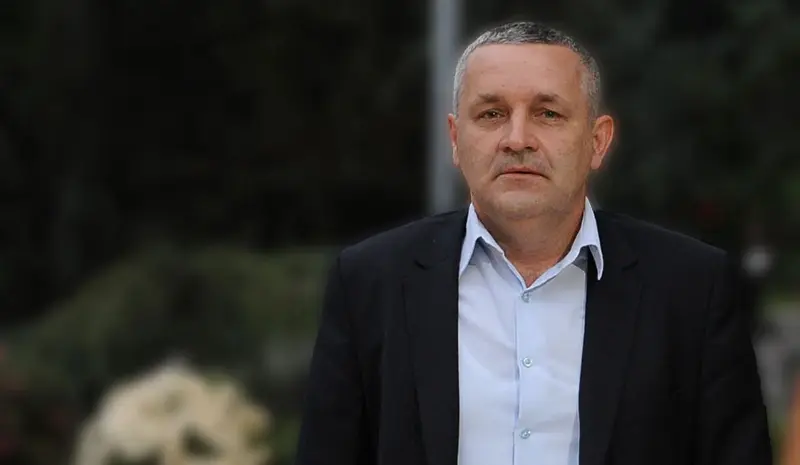
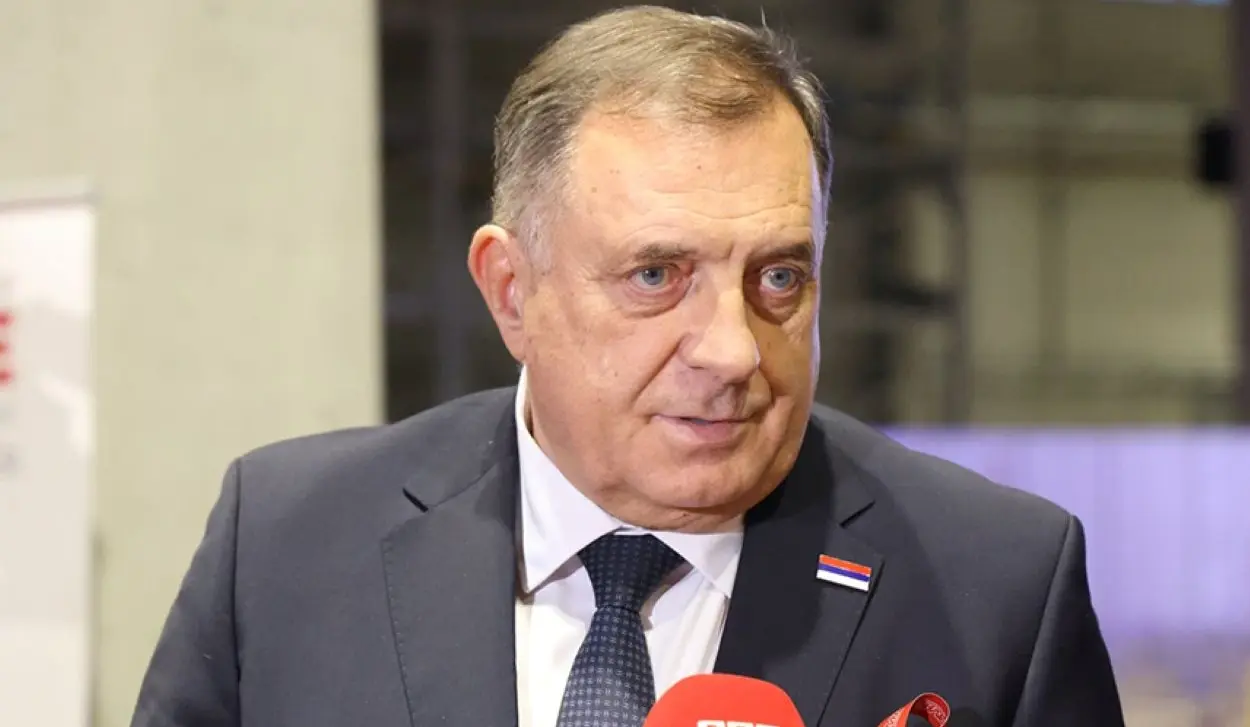
BELGRADE, FEBRUARY 24 /SRNA/ - Head of the Association of Serbs from the Region /SSR/ Miodrag Linta pointed out that Croatia waged an aggressive and criminal war against the Serbs, and he called the statement of veteran Croatian minister Toma Medved that fighters of Yugoslav People's Army were fascists and Croatian anti-fascists the most blatant lie.
Linta said that many facts confirm that this is a hypocritical exchange of theses, that it is indisputable that the "homeland war" was Ustasha in character with the aim of creating a Croatian state without Serbs.
"The `homeland war` was not a war of defense and liberation, but a war of aggression and crime against the Serbian people in the former SR Croatia and SR BiH, which was fought under Nazi symbols," Linta pointed out.
He explained that it is about the Ustasha salute "Za dom spremni/For Homeland Ready", the Ustasha coat of arms with an initial white field, the Latin letter "U" and a flag on which there is either the letter "U" or the coat of arms with an initial white field or both, the Association of Serbs from the Region announced.
"One of the symbols of the `homeland war' is the singer Marko Perković Thompson's song `Bojna Čavoglave,` which begins with the Ustasha salute `Za dom spremni` and which was the unofficial anthem of the Croatian paramilitary, military and police forces," Linta noted.
He reminded that in a letter to the Croatian public in June 2020, 16 Croatian generals admitted that the Ustasha salute "Za dom spremni" was used not only by HOS members, but by almost all members of other paramilitary formations and the Croatian Army.
"The generals stated in the letter that the Ustasha song `Bojna Čavoglave,` sung by Thompson, the main promoter of Croatian Nazism, i.e. Ustasha ideology in Croatia, was an anthem of the `homeland war,`" Linta emphasized.
He pointed out that in the wartime version of the song there is also a verse in which the Ustasha chief Ante Pavelić is mentioned.