KOVIĆ: BY ATTEMPTING TO APPROPRIATE THE BATTLE OF KOSOVO, PRIŠTINA IS PROVOKING SERBS WITH AIM OF FORCING THEM OUT
Serbia - Kosovo and Metohija
06/14/2026
11:46
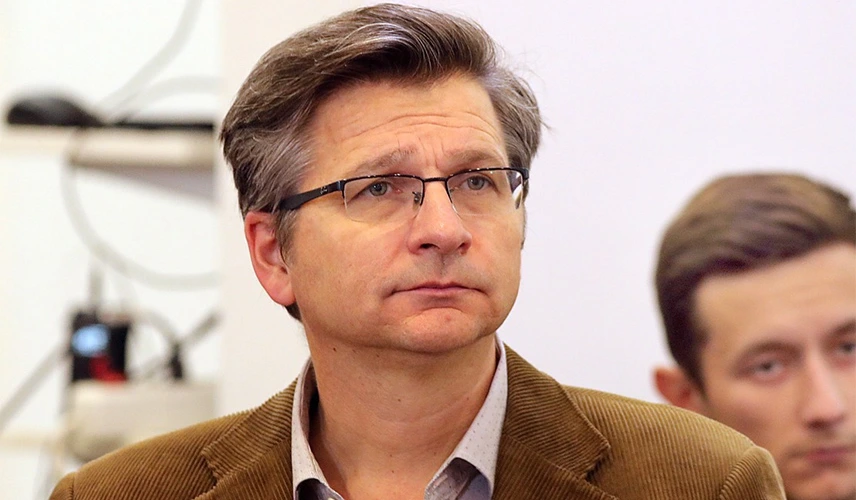
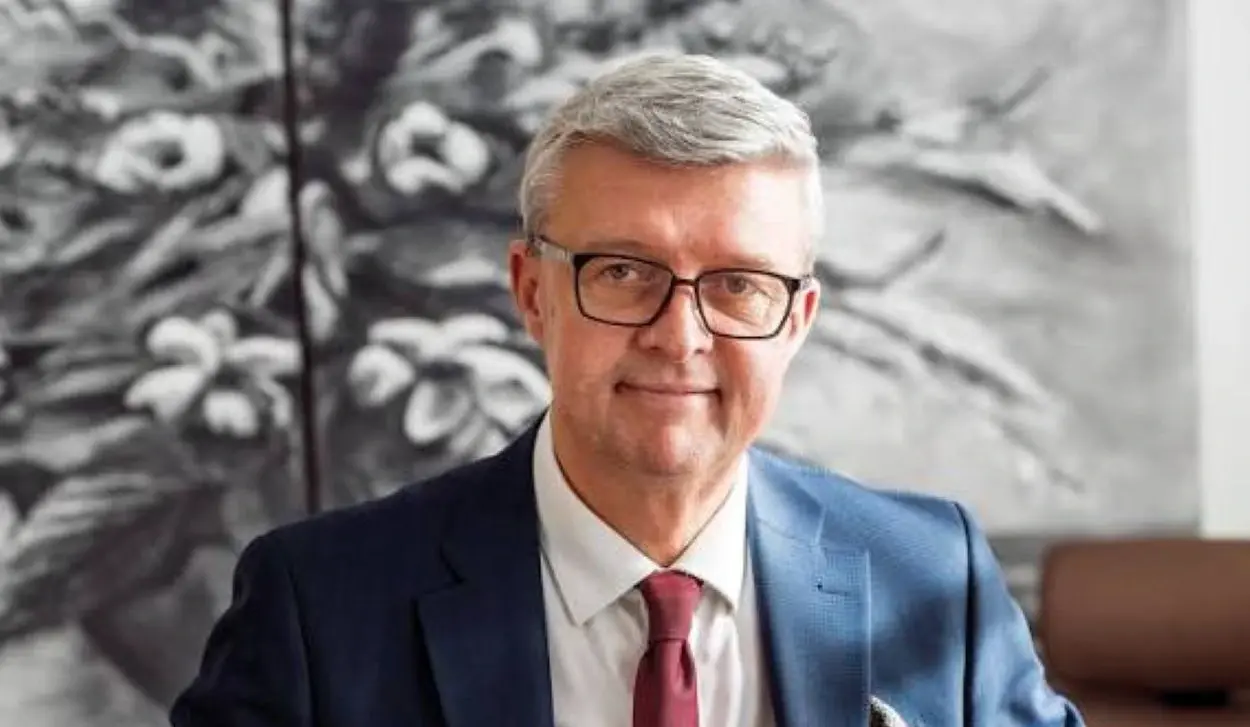
BELGRADE, JUNE 14 /SRNA/ – Miloš Ković, a history professor at the Faculty of Philosophy in Belgrade, has assessed that the Albanian events at Gazimestan announced for June 15 represents another attempt to appropriate Serb history and a deliberate effort to provoke Serbs.
Commenting on the announcement by the municipality of Obilić, led by officials from Vetëvendosje of Albin Kurti, that it would organize a “commemoration at Gazimestan” on June 15, a date that, according to the Julian calendar, coincides with St. Vitus Day and the Battle of Kosovo of 1389, Ković told SRNA that there is no doubt that the move reflects a deliberate and ill-intentioned objective.
Ković emphasized that Kosovo Polje and Gazimestan are sacred sites of Serb tradition, culture, and history, and that Priština, by attempting to claim the legacy of the Battle of Kosovo, is provoking Serbs in Kosovo and Metohija, endangering their physical and spiritual existence by creating unbearable living conditions aimed at forcing them out.
“A great battle between Serb and Ottoman armies took place there. Historical sources do not mention any participation of Albanians in that battle, although some popular and journalistic Albanian publications insist on such claims,” Ković pointed out.
According to him, historical sources generally do not testify to the presence of Albanians in Kosovo and Metohija during the Middle Ages.
“They are mentioned, for example, in Tuzi, but there is no record of them in Kosovo and Metohija until the period of the Ottoman conquests,” Ković stated.
He believes it is futile to search for reasonable motives or a rational explanation for Priština’s actions, arguing that its behavior lacks a rational foundation.
“The only explanation for what they are preparing at Gazimestan is provocation and a conscious intention to perpetuate conflicts indefinitely, instead of moving toward dialogue and the reasonable resolution of problems,” Ković stressed.
Pointing out that Albanians are guided by the logic that “the worse it is for Serbs, the better it is for them,” Ković said such a policy can only lead to the endless continuation of conflicts.
It is evident, he added, that some in Priština desire exactly that, despite the need for normal dialogue and efforts to make living conditions tolerable, or even good for both sides.
“Such thinking does not exist in Priština, and we are witnessing behaviour very similar to the irrational approach that comes from the political establishment in Sarajevo toward Republika Srpska,” Ković concluded.