DO NOT FORGET SERBS BRUTALLY KILLED IN THE CROATIAN OPERATION "MASLENICA"
Serbia - Belgrade - remembrance
01/22/2026
13:24
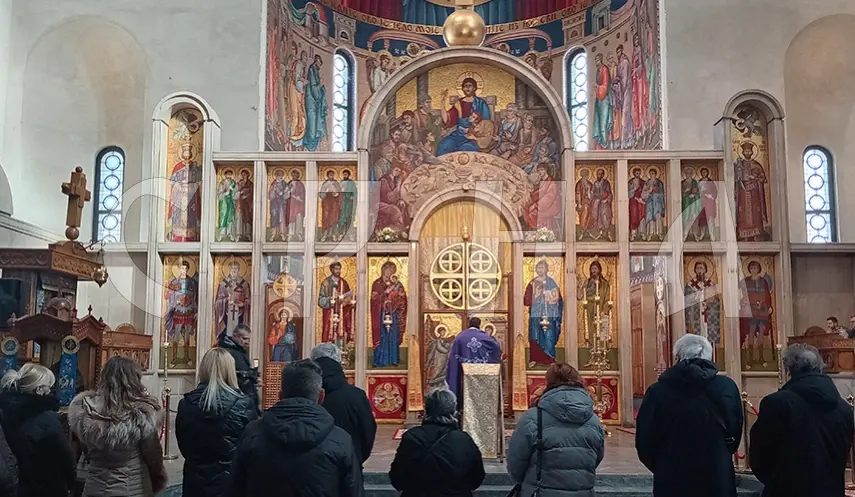
BELGRADE, JANUARY 22 /SRNA/ – A memorial service was held today at the Church of St. Mark in Belgrade, where candles were lit in memory of 364 Serbs who were brutally killed in the Croatian military operation "Maslenica," which began on this day 33 years ago in the Ravni Kotari area, part of the then Republika Srpska Krajina /RSK/, under UN protection.
Head of the families association "Suza" Dragana Đukić, told SRNA that the Croatian side not having empathy 33 years later toward the Maslenica victims nor any willingness to acknowledge that it was, nevertheless, a crime against the Serb population is tragic.
"The fate of 11 persons has still not been resolved. Those families still have no peace; they continue to live in pain and uncertainty. That is tragic. We meet every year at memorial services; those people only want to bury their loved ones, to put an end to that part of their sad lives. Even after so many years, there is no compassion or goodwill. A human being is not ‘a drop of water to evaporate.’ Everyone must know what happened," Đukić said.
Đukić pointed out that the victims’ families are particularly hurt by the fact that Serbs in that area were under UN protection, whose forces left them at the mercy of their killers.
"The Vance Plan was imposed on us. The Serb side respected the agreement and handed over its weapons, while they took advantage of the moment. The very character of the operation speaks for itself - how many women, children, and elderly people were killed. We truly cannot speak of anything other than a crime that was completely unnecessary and brought no good to anyone," Đukić said.
Director of the Veritas Documentation - Information Centre Savo Štrbac emphasized that what makes this crime carried out according to the "scorched earth" model, even more serious is the fact that more than three decades later, no one has been held accountable for it.
"Unfortunately, there is no will to prosecute the perpetrators, even though everything is known, nothing is secret! At least in terms of command responsibility, everyone who led the operation is known. They are their heroes! You know, at least we - at least my generation - knew all the Partisan commanders and who led which operation. In a similar way, Croats glorify their generals and ordinary soldiers. Everything is known; it is a little goodwill required to prosecute them," Štrbac said.
Štrbac also stressed that it is understandable why Croatian `heroes` from Ravni Kotari are untouchable for the Croatian judiciary, and pointed out that Serbia has laws and legal mechanisms to prosecute them.
"However, there is not enough political will in Serbia to carry this through to the end," Štrbac believes.
Borislav Jelača from Gračac, who came to pay tribute to the victims, says that everyone should find the time and set aside at least one hour a year to remember both "Maslenica" and other criminal operations carried out in the territory of the RSK during the 1990s.
"There should be many more of us. We should come to churches on anniversaries, so that we do not forget those lives that were, unfortunately, lost in vain. We will not and must not forget them," Jelača said.
According to Veritas data, 346 Serbs were killed or went missing, including 55 civilians with an average age of 60, during the Maslenica operation, which began on January 22, 1993, in the Ravni Kotari area.
Thirty-four women with an average age of 57 and three children under the age of 12 were killed.
Among the victims were also 65 volunteers from Serbia and BiH, who came to Ravni Kotari to defend, together with the local Serbs, their centuries-old homes.
So far, the fate of 335 persons has been clarified, while 11 are still listed as missing, including six civilians, among them three women.
An additional 165 persons died while fleeing.
More than 10,000 Serbs were expelled from villages in Ravni Kotari and scattered across the world.
The Janković Stojan Manor in Islam Grčki was destroyed, along with the Church of St. George from the 17th century, where the well-known writer Vladan Desnica is buried, as well as the Church of St. George in Smoković from the 16th century and the Church of St. Elijah in Kašić from the 19th century.
According to the 1991 census in Croatia, Kašić had 765 inhabitants, 99 percent of whom were Serbs; Smoković had 1,029 inhabitants, 96 percent of whom were Serbs; and Islam Grčki had 1,139 inhabitants, 87 percent of whom were Serbs.
According to the 2021 census, Kašić had 69 residents, Smoković 162, and Islam Grčki 150 residents, without indication of national affiliation.

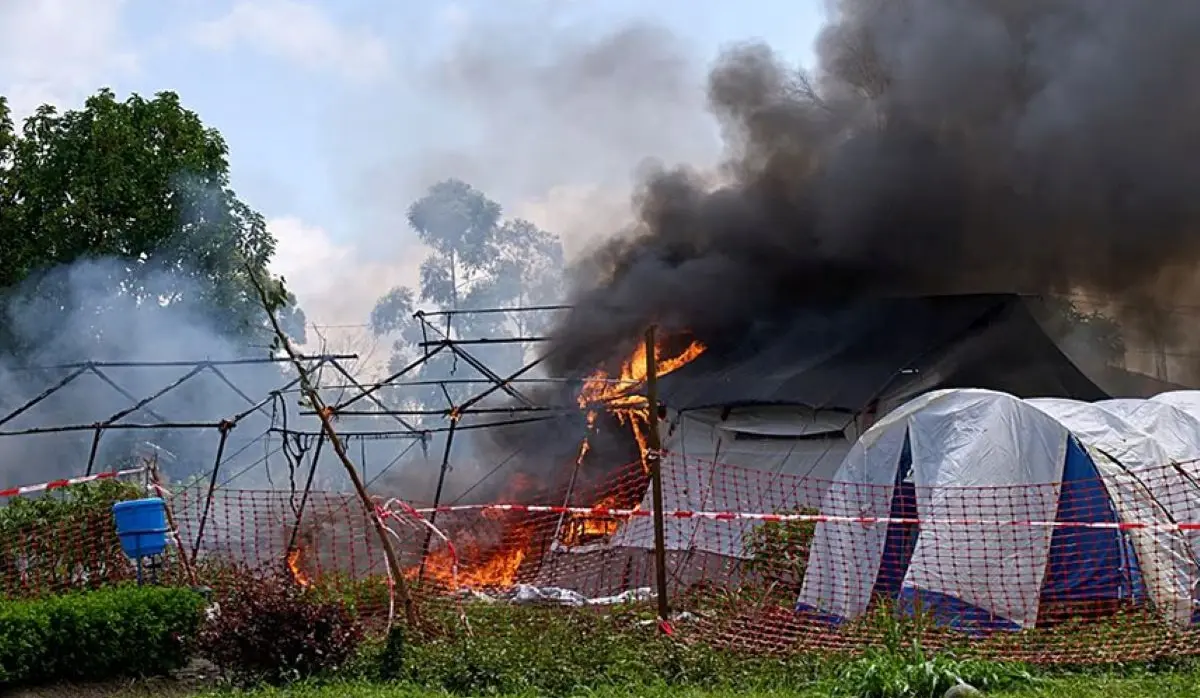
EBOLA TREATMENT CENTER SET ON FIRE, POLICE OFFICER KILLED
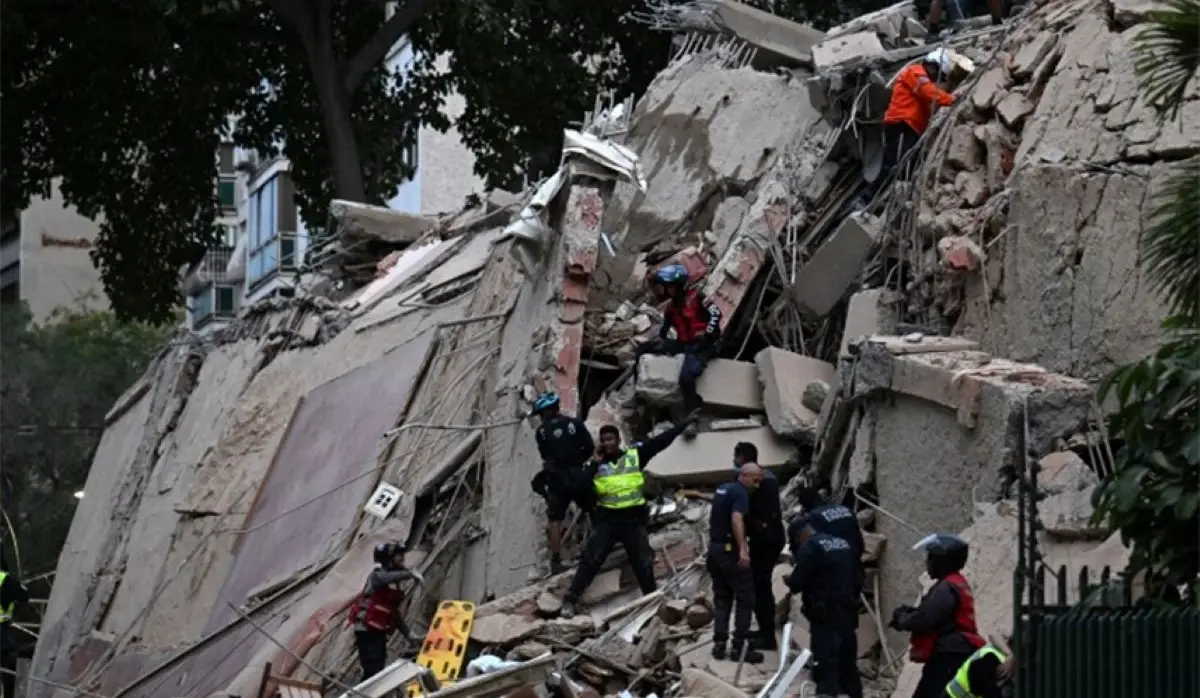
DEATH TOLL RISES TO 2,295
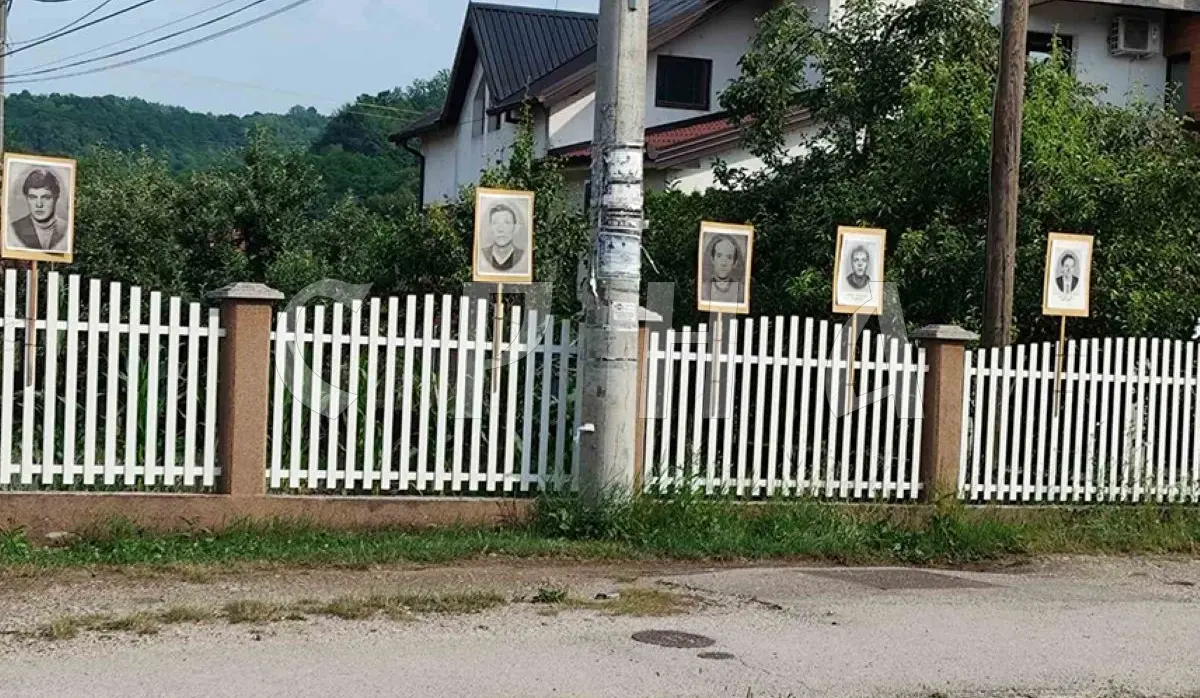
PHOTOGRAPHS OF SERB VICTIMS SERVE AS A REMINDER OF CRIMES COMMITTED AGAINST SERBS
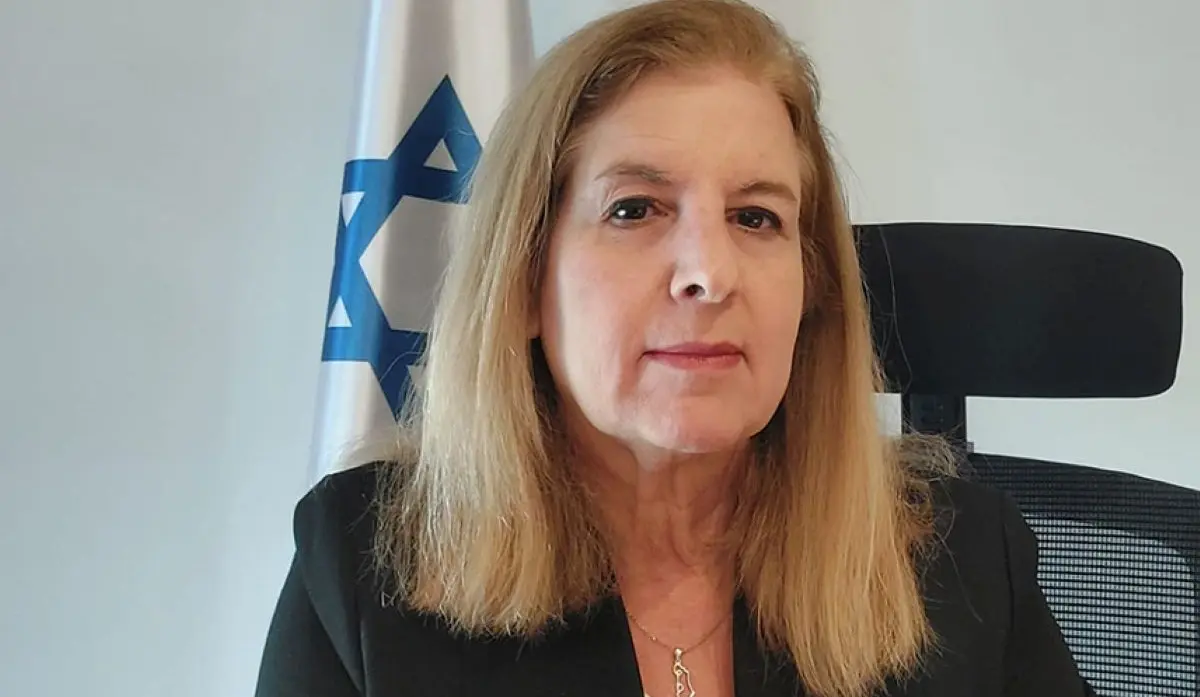
PELEG WRITES TO KONAKOVIĆ: AUTHORITIES IN SARAJEVO IGNORE RISING ANTISEMITISM AND SUPPORT THE IRANIAN REGIME