CER - DAYS OF GLORY
Serbia- battle - anniversary
08/11/2026
08:55
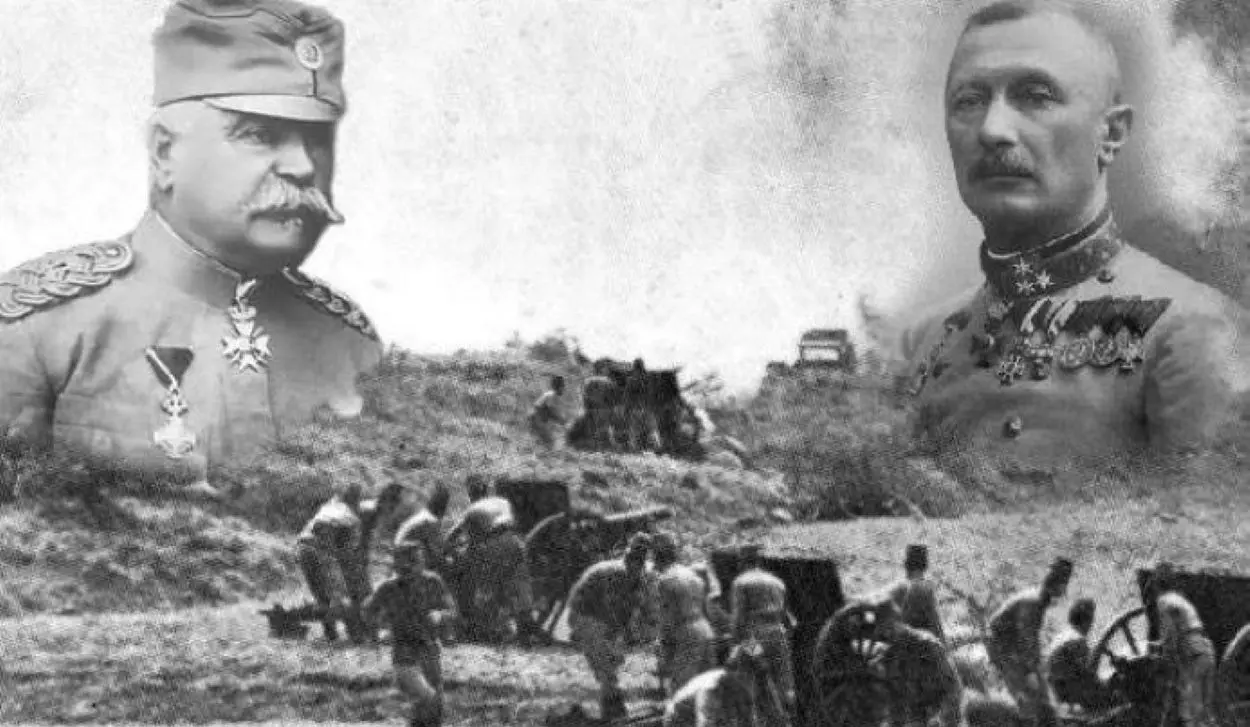
BIJELJINA, AUGUST 11 /SRNA/ - The Battle of Cer, in which the Serbian army decisively defeated the Austro-Hungarian forces and secured the Allies’ first victory in the First World War, began on August 12, 1914.
From July 29 to August 11, the Austro-Hungarian army launched artillery attacks in northern and northwestern Serbia and succeeded in establishing a system of pontoon bridges across the Sava and the Danube.
The Serbs knew that it was impossible to defend the entire 550-kilometre-long border with the Austro-Hungarian Monarchy.
For that reason, Commander-in-Chief Duke Radomir Putnik ordered the Serbian army to withdraw towards the traditional defensive lines in Šumadija, from where it could move quickly to engage the enemy in the west and north.
Strong detachments were stationed in Valjevo and Užice, while reconnaissance units were deployed at every strategically important point along the border.
The Serbian victory in the Battle of Cer over a numerically superior enemy marked the Allies’ first triumph of the First World War.
Of the 200,000 Austro-Hungarian soldiers who attempted to occupy Serbia, not a single one remained in the country, apart from 4,500 prisoners of war.
During the bloody fighting, Austro-Hungarian casualties reached 27,000, while more than 16,000 Serbian soldiers were put out of action, including 2,107 killed in combat.
Soldier and journalist Egon Erwin Kisch wrote about those dramatic moments and the Austro-Hungarian retreat in his diary at the end of August 1914:
“The army has been defeated and is in a reckless, wild and panic-stricken flight. A defeated army? No, rather a broken rabble was rushing towards the border in senseless fear...”
By August 23, 1914, not a single Austro-Hungarian soldier remained on the free Serbian territory.
General Stepa Stepanović, commander of the Serbian Second Army, was awarded the rank of Field Marshal for his successful command during the battle.
The battle had a major impact on Austro-Hungarian troops in the Balkans, and its forces in Montenegro were forced to withdraw from Pljevlja, which they had occupied on August 19.
The victory drew worldwide attention to Serbia and earned it sympathy in neutral and Allied countries.
Articles defending Serbia became increasingly common in the British press, while the country was held in such high regard that certain groups of Italian intellectuals supported Rome’s entry into the war on the Allied side, citing Serbia and Montenegro as an example.