BOSNIĆ: SERBS MUST FIGHT AGAINST HISTORICAL REVISIONISM
Serbia - Republika Srpska - International Conference
12/04/2025
12:02
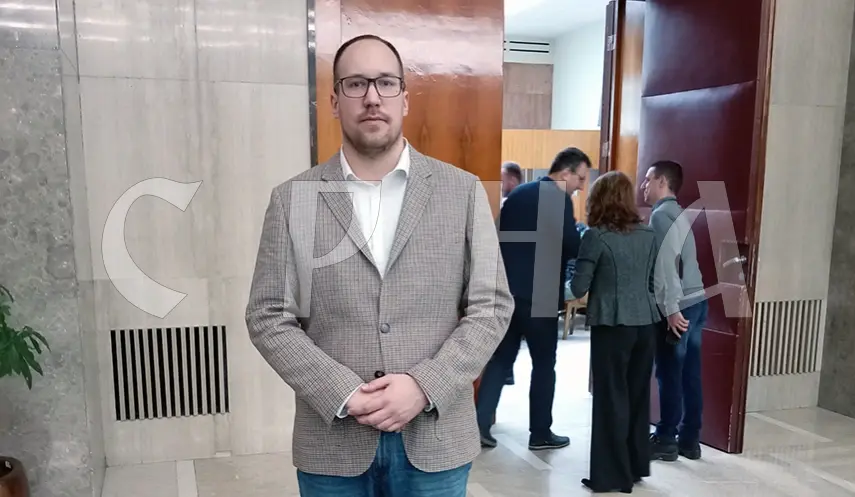
BELGRADE, DECEMBER 4 /SRNA/ – Historian of the Republika Srpska Archives Danilo Bosnić has stated today in Belgrade that the Serbs, as a heroic and long-suffering people, are fated to fail if they forget what happened to them in the 20th century, emphasizing that they must remember, fight for the truth, and oppose revisionism.
Bosnić, participating in the International Conference "80 Years Since the Liberation of Jasenovac – A Case Study: Concentration and Death Camps in the Independent State of Croatia /NDH/", told SRNA that the search for truth is quite challenging today because various revisionist currents exist, but that it is the task of historians to fight against them.
While researching reports of the Belgrade branch of the German military intelligence service Abwehr on the suffering of Serbs in the NDH, preserved in the National Archives in Graz, he discovered an original document relating to the crime in Drakulić near Banja Luka on February 7, 1942, and the atrocities committed by the Ustashas against the Serb population.
"It is an original German document. What is most monstrous is that their neighbours were direct participants and accomplices in this," he said.
Bosnić stated that the document, which he will present to the conference participants in his lecture today, also mentions the infamous Fra Miroslav Filipović-Majstorović, emphasizing that numerous documents indicate the active role of Roman Catholic clergy in crimes against the Serb population, not only in Banja Luka but throughout the NDH.
"So we must consider it a single project, given that the NDH had a fully developed legal framework, including racial laws and other legislation directed against Serbs, but also against Jews and Roma as undesirable groups," he said.
Bosnić stressed that the archive in Graz was closed until the year 2000 and that few researchers know about the legacy of a captain of the German intelligence service, an accomplished Slavic studies scholar who for years, both before and after World War II, taught at the university in that city.
"Through some indirect contacts I learned about the existence of this legacy, and I am very glad I had the opportunity to work on this topic and study it more detailed, as it offers new perspectives for historiography," Bosnić said.
The conference is organised to mark 80 years since the breakout of the last Jasenovac camp inmates and the end of one of the deadliest camps in occupied Europe.

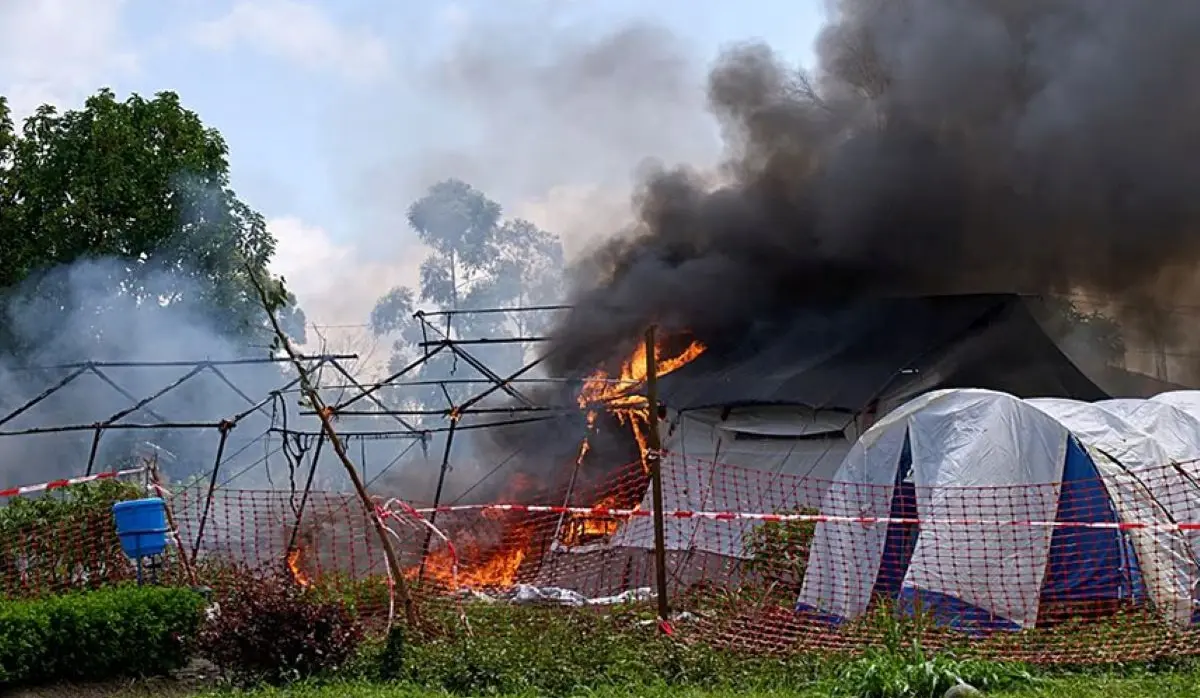
EBOLA TREATMENT CENTER SET ON FIRE, POLICE OFFICER KILLED
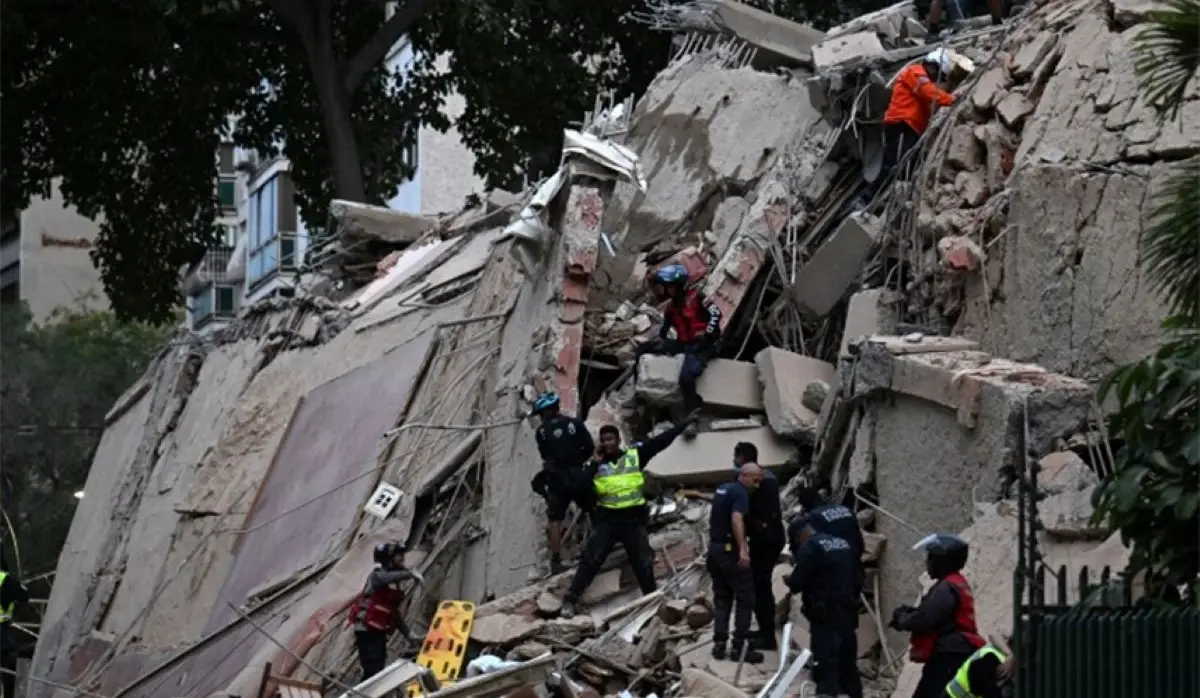
DEATH TOLL RISES TO 2,295
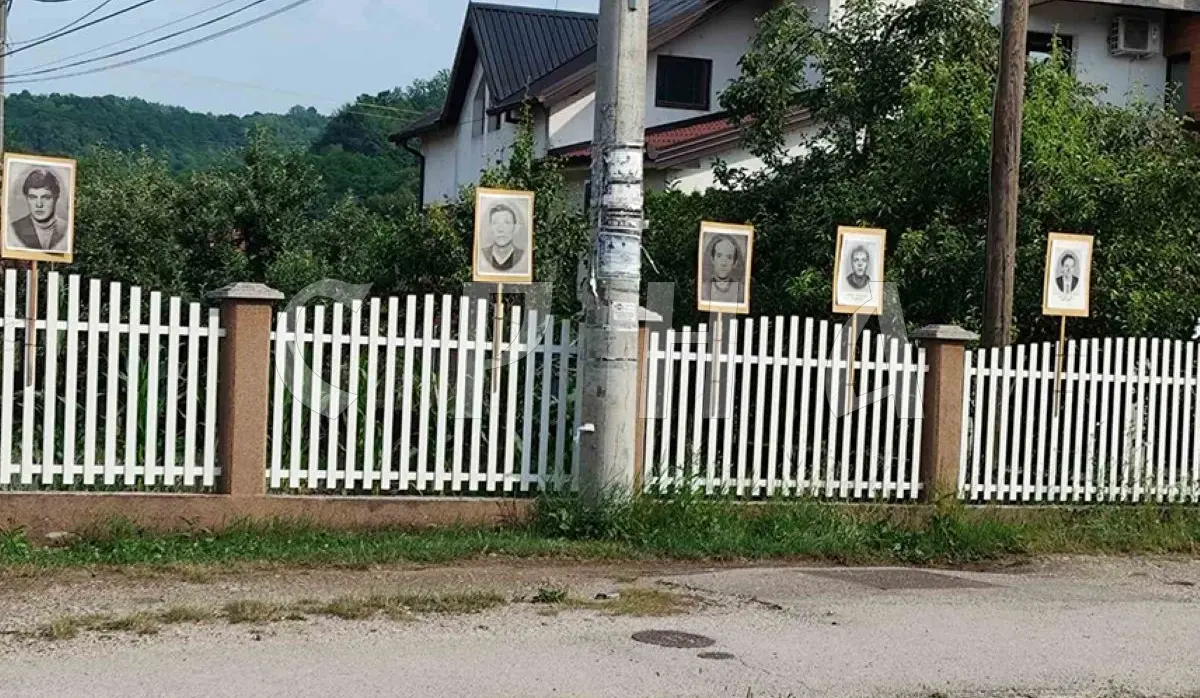
PHOTOGRAPHS OF SERB VICTIMS SERVE AS A REMINDER OF CRIMES COMMITTED AGAINST SERBS

PELEG WRITES TO KONAKOVIĆ: AUTHORITIES IN SARAJEVO IGNORE RISING ANTISEMITISM AND SUPPORT THE IRANIAN REGIME