BOSNIĆ: AFTER OJKACHA AND THE SINJ ALKA, CROATS HAVE DARED TO STEAL BADNJAK AS WELL
Croats - Serbs - intangible heritage
01/24/2026
12:44
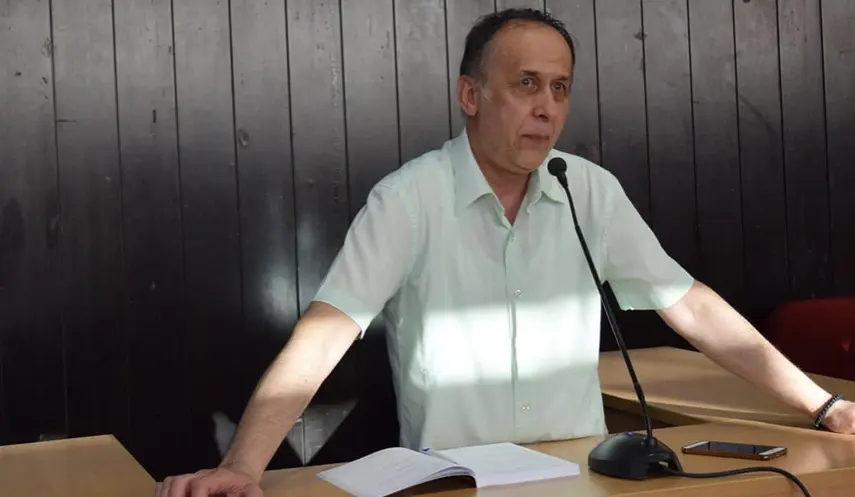
BELGRADE, JANUARY 24 /SRNA/ – Head of the Association of Krajina Serbs, Mile Bosnić, has warned that, in addition to daily nationalist incidents across Croatia, Croats are continuing in an extremely perfidious manner to appropriate everything with Serb prefix, including Christmas Eve customs, which belong exclusively to the Orthodox Christian heritage in that country.
Bosnić said he was stunned to learn that the custom related to the badnjak /Christmas log had suddenly become "Croatian".
"They are now stealing the badnjak from us as well. They will take that from us Serbs too, as some kind of intangible spiritual heritage. Croats in Medviđa, somewhere near Obrovac, cut a badnjak and present the entire ritual of bringing it in, greeting it, and burning it on social media as their own indigenous custom," Bosnić told SRNA.
He believes that what Croats are doing is shameless, but that the worst part is that they do not know when to stop.
"The latest is the preparation to steal the badnjak, then they will take our land away from us, they are taking our monuments. They burned three million of our books. They are moving toward the erasure and total destruction of everything with Serb prefix. Since they have nothing of their own, they have to steal! This is theft and arrogance," Bosnić stressed.
He pointed out that, as far back as Serb memory reaches, Catholics in no part of Croatia or the wider region have had customs related to the badnjak.
"Never! Among Catholics it is very clear, strictly canonical, no left, no right. Everything is precisely prescribed, and there were no badnjaks or any other customs related to that day. Never, until now, when preparations for this theft began," Bosnić said.
He stated that Croats in the village of Lađevac near Slunj have appropriated the custom of making the kovrtanj bread, which Orthodox Christians prepare on Little Christmas, but that the badnjak had until now remained intacted.
"They stole that custom from us, but as far as the badnjak is concerned, it was nowhere and never a custom - neither in Dalmatia, nor in Posavina, nor in the Federation of BiH, nor in Republika Srpska, nor in Serbia - wherever there are Catholics," Bosnić said.
He emphasized that many things have already been appropriated by Croats due to Serb ignorance and inattention, and pointed out that institutions should check what exactly has been included on their list of intangible heritage.
Bosnić said that the list of Serb customs appropriated by Croats and already registered or intended to be registered as their own intangible cultural heritage, is growing longer.
"They took the Sinj Alka from us, they took ojkača. Imagine, they protected ojkača as their intangible heritage and then forbid it from being sung at a competition in Petrinja," Bosnić said.
He noted that ojkača, which since 2010 has been on UNESCO List of Intangible Cultural Heritage of Humanity as heritage of Croatia, can today be heard everywhere where displaced Krajina Serbs live, least of all in Croatia.
"It is clear to everyone whose ojkača it really is, but on the list it is a Croatian custom," Bosnić pointed out.
Bosnić also stressed that the Sinj Alka is a Serb chivalric game held in the first week of August in Sinj in memory of the great victory over the Ottoman invaders on August 14, 1715.
"On that day, 700 Serb soldiers from Sinj managed to repel the assault of the army of Ottoman serasker Mehmed Pasha Čelić. At that time, there were no Croats in that part of Dalmatia," Bosnić said.