ANTI-FASCIST TRADITIONS OF THE PEOPLES OF BiH, PRIMARILY SERBS, HAVE BEEN TRAMPLED UPON
UN - Resolution on Combating the Glorification of Nazism - Anđelković
11/12/2026
11:42


BELGRADE, NOVEMBER 12 /SRNA/ - Political analyst Dragomir Anđelković told SRNA that those who voted against Russia's resolution on combating the glorification of Nazism at the UN had taken it upon themselves to determine BiH's foreign policy positions, which was unacceptable.
Even worse, he said, they had thereby trampled upon the anti-fascist traditions of the peoples of BiH, primarily the Serbs, and the memory of the genocide committed against them by Ustasha Nazism.
Anđelković believes it is abnormal for political Sarajevo to make decisions on behalf of the entire BiH without taking the interests of Republika Srpska into account.
"BiH is a community of two entities and three constituent peoples, and decisions must be made accordingly. What we are seeing here is a continuation of political domination and the unilateral imposition of foreign policy positions, which constitutes a violation of the Dayton Agreement and undermines BiH itself," Anđelković said.
He believes that by withholding support for the resolution, political Sarajevo has, in a way, shown that it "is siding with those in BiH who were on the side of Nazism during the war".
"We should not forget the Muslim SS Handschar Division or the strong Ustasha movement in BiH," Anđelković pointed out.
He says that those in Sarajevo who now speak of democracy are siding with the forces of darkness and Nazism that existed in BiH, whose primary victims were the Serb people.
"All this speaks to their intolerance, hatred towards Serbs and their inclination to usurp BiH and turn it into their own fiefdom, just as all those dark forces did in the past," Anđelković stressed.
He also said it was incomprehensible that Western countries, which speak of anti-fascism and the fight against Nazism and racism, were rejecting Russia's resolution because of their current antagonisms with Russia, even though the resolution was positive in itself.
"Countries may disagree on certain issues, but that is no reason for them to disagree on something rooted in shared values. Surely anti-fascism is a shared value?!" Anđelković said.
He said that it was evident that, in modern times, political and geopolitical fervour was driving many people to extremes, leading them to trample on even the principles they normally uphold simply because their current opponent supports them.
In light of the fact that Germany was among the 53 countries that voted against the resolution, Anđelković said that its position was just as alarming as that of political Sarajevo, because "many of those who represent it today also have a certain degree of continuity with the Nazi movement".
"One only needs to look at where their ancestors stood. Germans, too, were massively involved in all of this, and today both sides dare to reject a resolution condemning Nazism," Anđelković stressed.
On November 10, the UN General Assembly adopted, at Russia's initiative, a resolution titled "Combating the Glorification of Nazism, Neo-Nazism and Other Practices that Contribute to Fueling Contemporary Forms of Racism, Racial Discrimination, Xenophobia and Related Intolerance."
The Russian-drafted resolution was supported by 117 countries, including Serbia. A total of 53 countries voted against it, including BiH, Croatia, Montenegro, Slovenia, North Macedonia and Austria.

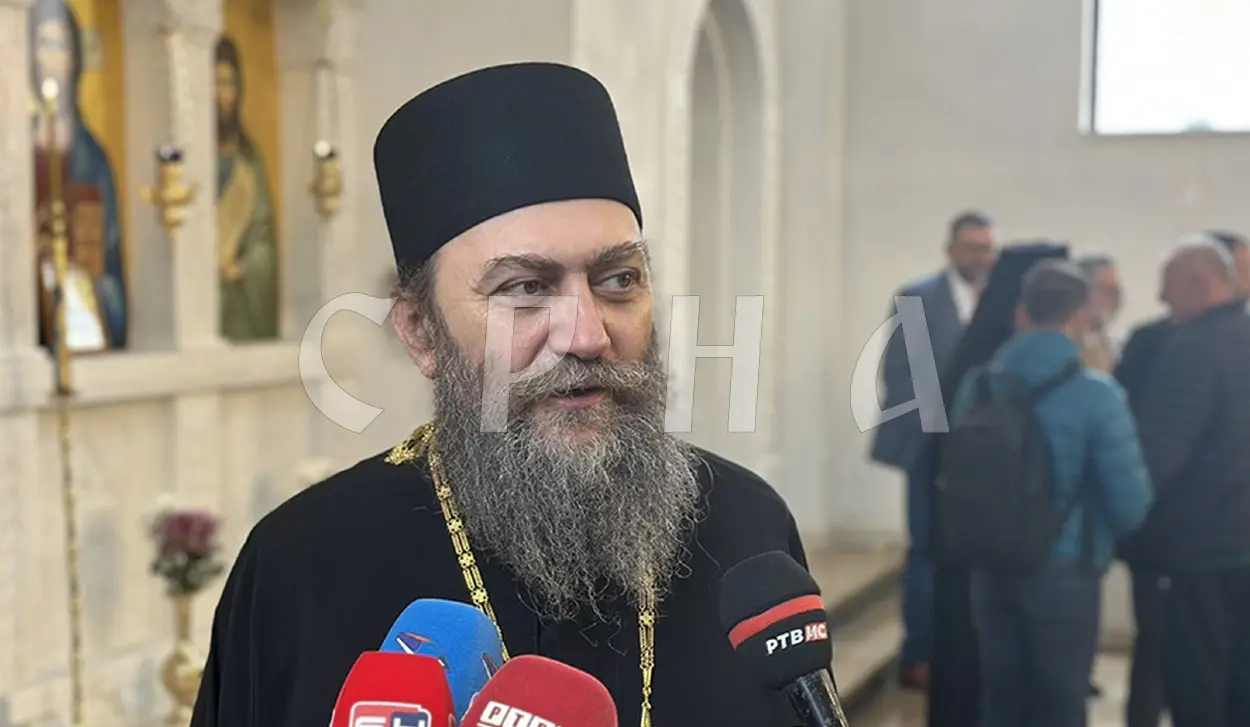
ABBOT METODIJE: ICON OF THE MOTHER OF GOD A GIFT IN GRATITUDE FOR LOVE AND SUPPORT SHOWN BY PALE TO THE HILANDAR BROTHERHOOD

PUHOVAC: BAM 20 MILLION ALLOCATED SO FAR TO SUPPORT FUEL PURCHASES

MANCHESTER UNITED DISMISS MICHAEL CARRICK

DAYS OF ROMANIJA TO BE HELD IN VIENNA NEXT YEAR