33 YEARS SINCE CRIMES AGAINST SERBS IN THE MEDAK POCKET
Croatia - war crimes - Veritas
09/09/2026
09:15

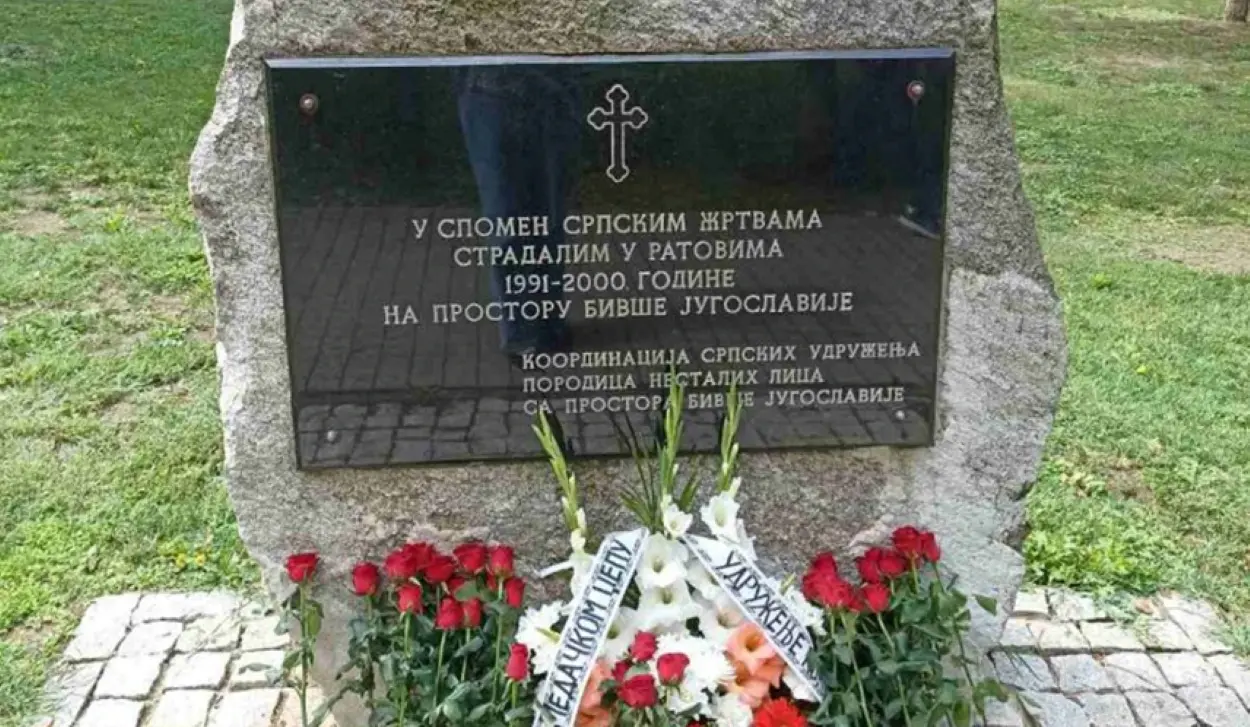
BELGRADE, SEPTEMBER 9 /SRNA/ – It has been 33 years since the Croatian Army attacked the Serb villages of Divoselo, Čitluk and Počitelj near Gospić, killing 87 Serbs, including 35 civilians and members of the local village watch, as well as 17 women.
The Veritas Documentation - Information Centre said that there were no wounded among the victims of the Croatian Medak Pocket Operation, while nine people, six of whom were civilians, are still listed as missing.
"The results of the examination of the bodies – shattered skulls, gunshot wounds inflicted at close range, live people being thrown into fire, unequivocally indicate that a systematic killing of captured and defenseless people was carried out," Veritas pointed out.
During the withdrawal of Croatian forces, which lasted between September 9 and 17, 1993, a "scorched earth" tactic was employed, and all three villages were systematically looted, burned and razed to the ground.
The scale of the destruction is best illustrated, according to the statement, by the statement of the then UNPROFOR commander, General Jean Cot, who said after inspecting the area that he found no signs of life, neither human nor animal, adding that the destruction was complete, systematic and deliberate.
"The Hague Tribunal transferred the Ademi/Norac case to the Croatian judiciary, which resulted in symbolic sentences. General Rahim Ademi was acquitted of all charges, while General Mirko Norac was sentenced to only six years in prison for failing to prevent the killing of four civilians and the torture of one prisoner," Veritas recalled.
The direct perpetrators, Josip Krmpotić, Velibor Šolaja and Josip Mršić, were sentenced to minimal prison terms of between three and five years.
"Of particular concern is the fact that court proceedings established beyond dispute that at least four Serb women were burned alive in their own homes, yet no one was found guilty of their deaths or of setting the houses on fire," Veritas said.
In April 1991, a total of 780 people, mostly Serbs, lived in Divoselo, Počitelj and Čitluk.
Today, no one lives in Divoselo; only two elderly women live in Počitelj, while ten residents from four families remain in Čitluk.


UKRAINIAN MILITARY USES STARLINK TO KILL PEOPLE
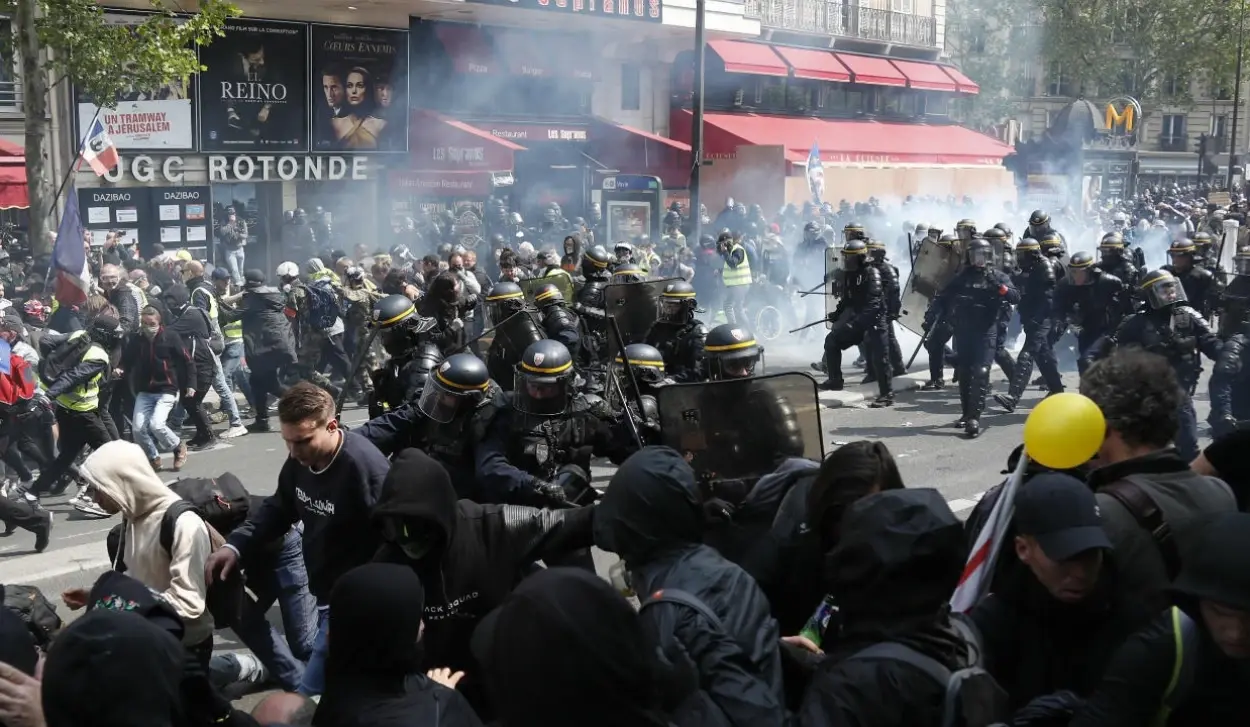
MORE THAN 400,000 PEOPLE TAKE PART IN DEMONSTRATIONS
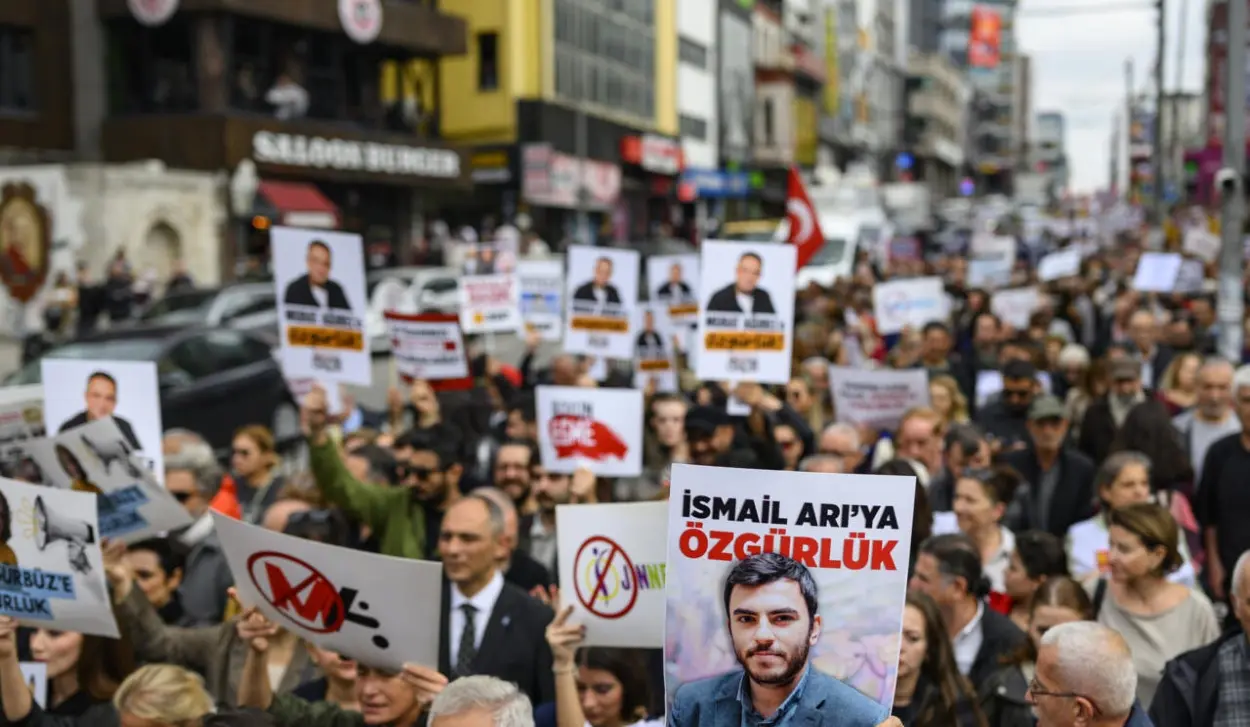
THOUSANDS OF PEOPLE IN ANKARA AND ISTANBUL PROTEST DETENTION OF JOURNALISTS
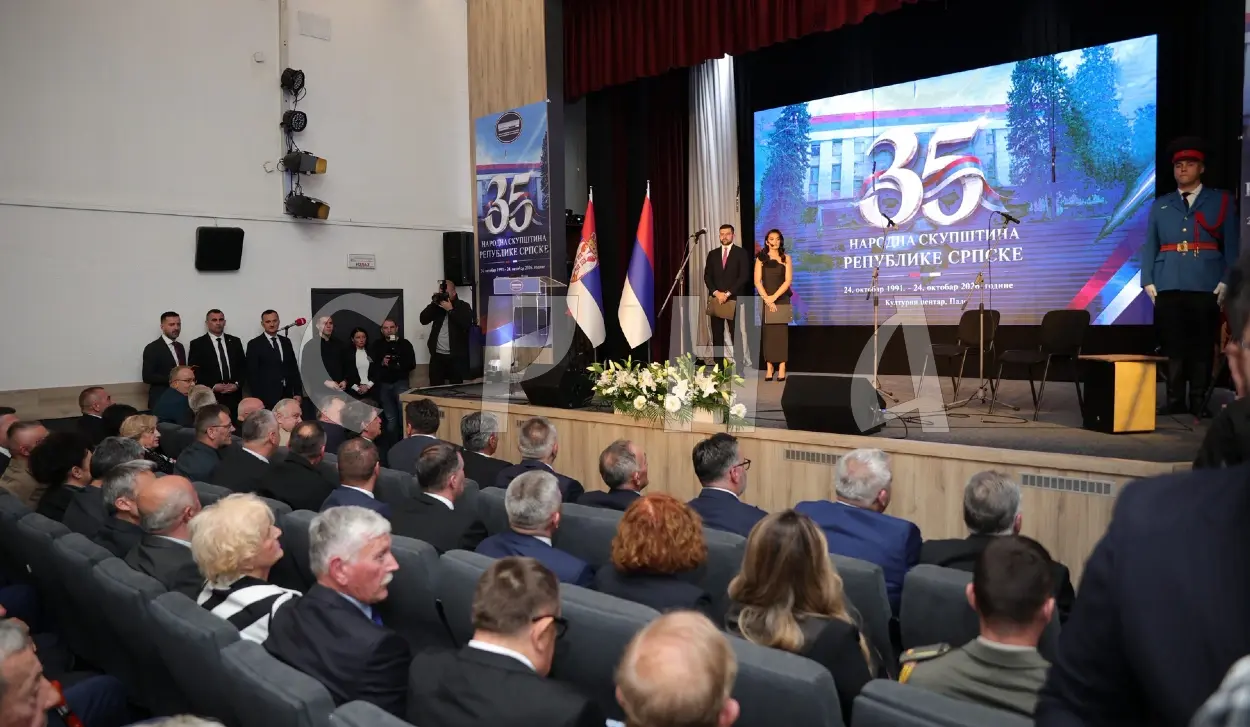
KARAN: IN 1991, THE SERB PEOPLE CHOSE THE PATH OF FREEDOM, POLITICAL SELF-DETERMINATION AND INSTITUTIONAL ORGANIZATION