OSTOJIĆ: SERBS WILL CONTINUE TO LIVE IN OZREN, OUR HISTORY CANNOT BE TAKEN FROM US
FBiH - exodus of Serbs - remembrance
09/10/2026
17:04
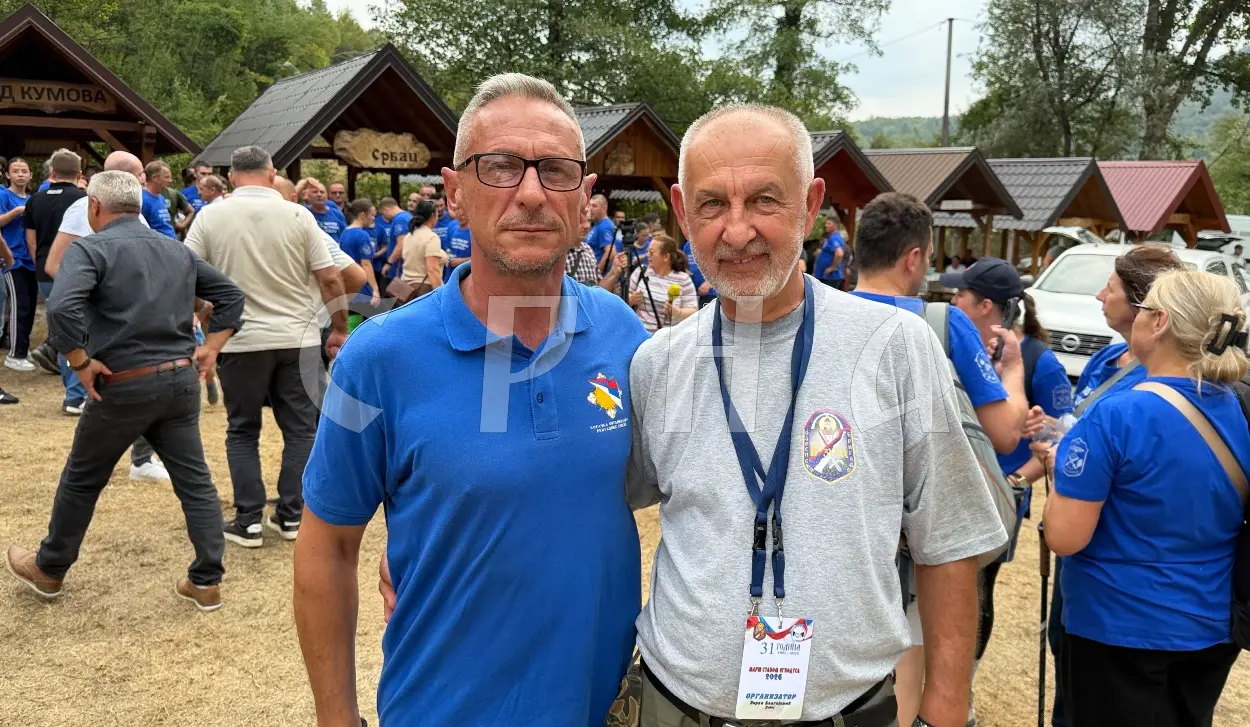
ZAVIDOVIĆI, SEPTEMBER 10 /SRNA/ — The Minister of Labor and Veterans Disability Protection of Republika Srpska, Radan Ostojić, who today took part in the "Paths of Exodus" march marking the 31st anniversary of the suffering and expulsion of Serbs from the Krivaja Valley, said that Serbs had lived in the Ozren area for centuries and would continue to call it home.
Ostojić said that by taking part in the march, which included many young people who represent a guarantee of the future, Serbs were showing their determination and defiance without insulting anyone.
"We are demonstrating that no one can take away our history, tradition or memories of who we are and who we will be," Ostojić told reporters near the memorial chapel in the grounds of St George's Church in Stog, where a mass grave containing the remains of 21 Serbs was discovered, 17 of them beheaded.
He said today's commemoration also pays tribute to all those who died defending Mount Ozren, as well as those whose remains have still not been found.
Ostojić also pointed to the historical fate of the Serbian people, who have fought for freedom from one war to another, achieving many victories but also suffering defeats.
"The people of Ozren have suffered perhaps more than most, and if we ask whether their sacrifice had a price - it did. It is called freedom and Republika Srpska," Ostojić stated.
Zoran Blagojević, president of the Association of Zavidovići Natives, said the event always brings pain, but that he was also proud knowing that young people would continue, peacefully and with dignity, efforts to locate all the remains of Serbs from the area.
Blagojević urged families still searching for their loved ones to be proud of them and remember what they fought to defend - Republika Srpska.
Isidora Graorac, president of the Republika Srpska Organization of Families of Captured and Fallen Soldiers and Missing Civilians, also took part in this year’s "Paths of Exodus" march. She said the large number of young participants was a positive indication that previous efforts to preserve the culture of remembrance were yielding results.
Graorac reminded of the remains of 129 Serb soldiers and civilians that are still being sought on Mount Ozren and said that, unfortunately, the search for missing persons had yielded no results, suggesting that urgent changes were needed in this regard.
The Doboj Deanery had earlier held a memorial service for the Serbs killed in the war in front of the memorial chapel at St George's Church in Stog, after which wreaths were laid.
The "Paths of Exodus 2026" march, attended by several hundred people, concluded today in Stog, in the Zavidovići municipality of the Federation of BiH.
Serbs from Vozuća were expelled from their ancestral homes during offensives by the so-called Army of BiH known as "Hurricane", "Farz" and "Badr al-Bosna."
The mass killing of residents of Vozuća took place from September 10 to 24, 1995, during an offensive involving 23,000 Muslim troops from the Second and Third Corps of the so-called Army of BiH and the "El Mujahideen" detachment, as well as NATO air strikes supported by its rapid-reaction units and a Pakistani contingent of international peacekeeping forces.
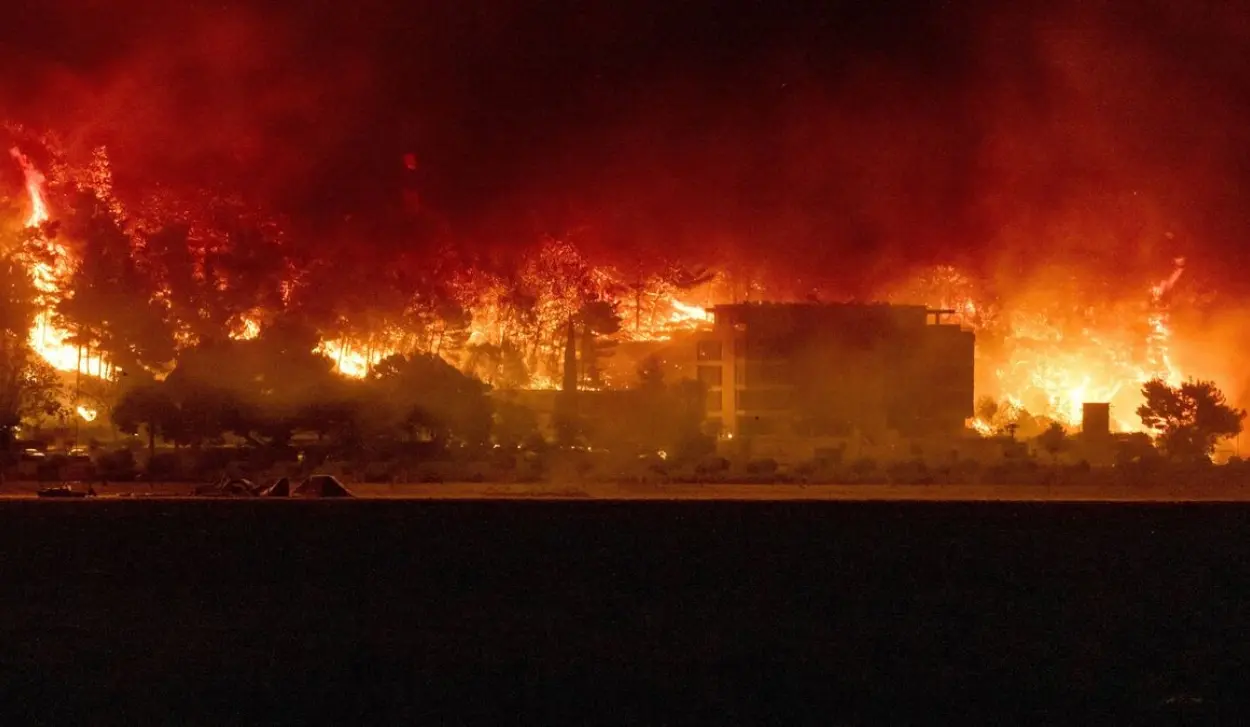
During the offensive, 30 Serb villages were burned, 1,920 Serb families comprising 7,680 people were expelled, and 459 Army of Republika Srpska soldiers and civilians were killed, while the whereabouts of many others remain unknown.
The fall of Vozuća marked the end of the expulsion and ethnic cleansing of Serbs from the Zenica region, which had begun in 1992.