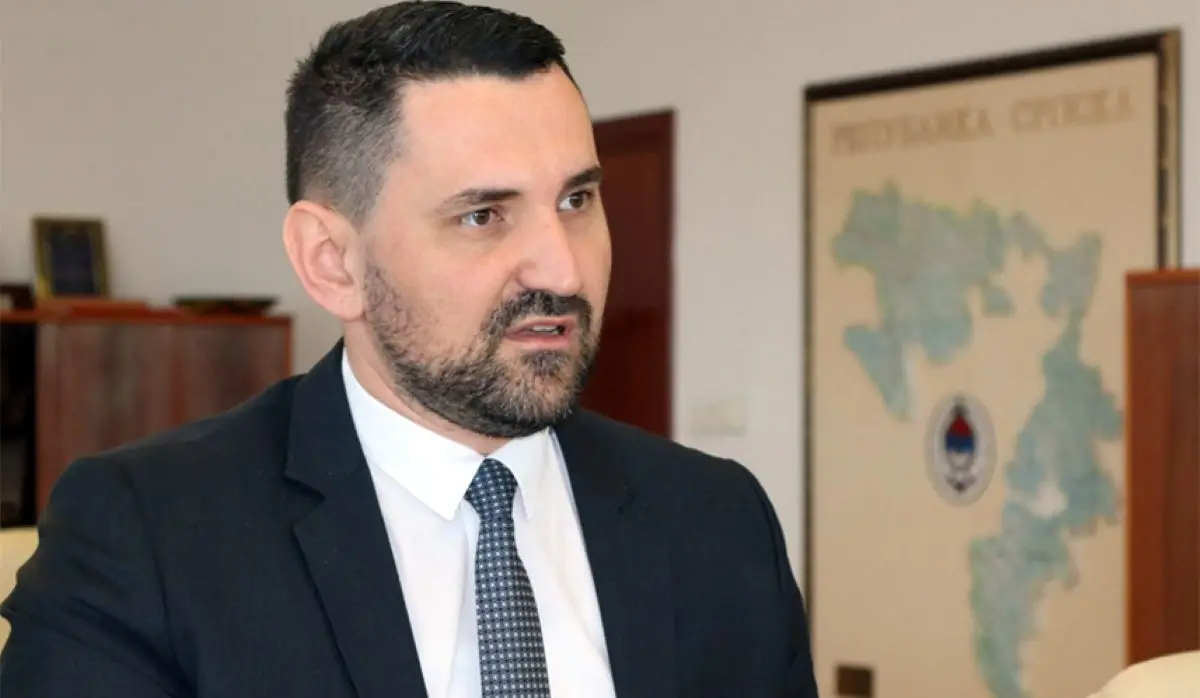
LAZIĆ: SERB RETURNEES IN GORNJA BOČINJA DISTRESSED FOLLOWING ATTACK ON CHURCH
FBiH - Maglaj - reaction
10/02/2026
15:47
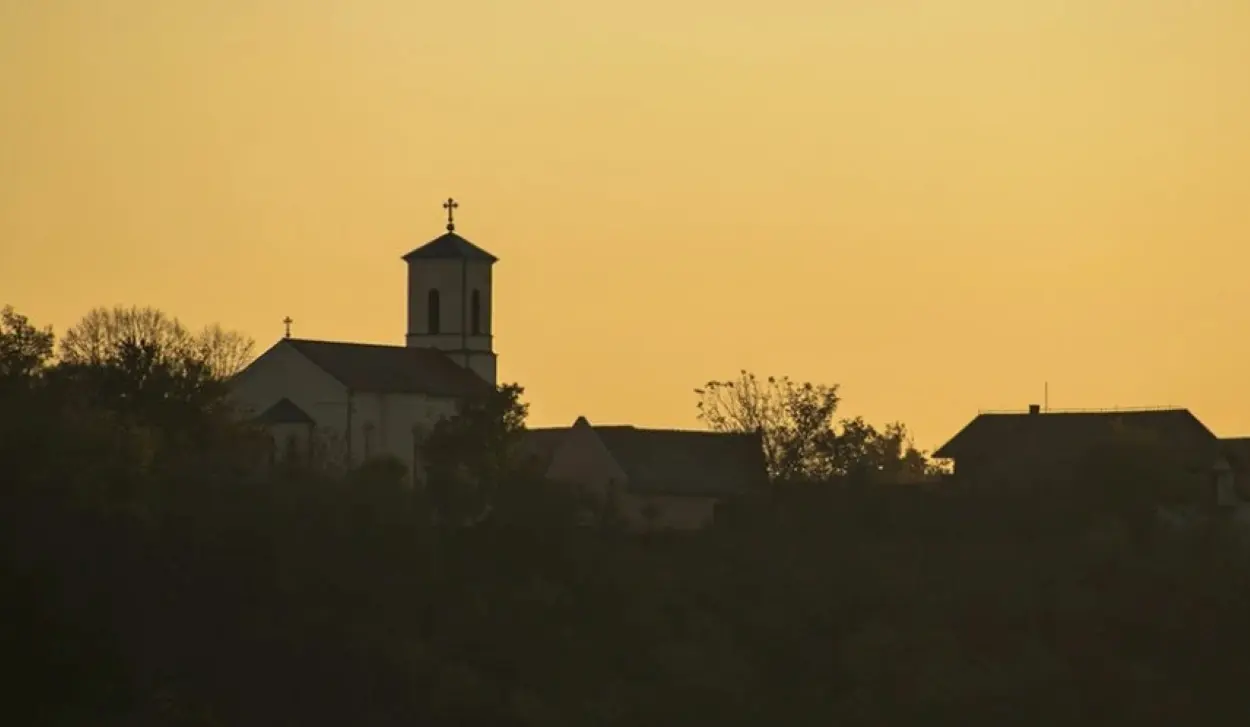
BELGRADE, October 2 /SRNA/ – Theologian Nebojša Lazić told SRNA that Serb returnees in Gornja Bočinja, the FBiH’s municipality of Maglaj, including his parents, are distressed over the attack on the Church of St. Petka and its desecration, particularly because this cannot be viewed as an isolated incident, but rather as one in a series of attacks on Serb cemeteries and religious sites.
Lazić, who lives in Belgrade but frequently visits Gornja Bočinja, noted that this was preceded by an attempt to seize Serb churches in Zenica and Visoko, the desecration of grave stones in Travnik, as well as an announcement on social media that the grave of Spomenko Gostić, the youngest decorated soldier of the Republika Srpska Army, in Gornji Ulišnjak, would be desecrated. The grave is located not far from the desecrated church.
"Bočinja was known for having a Wahhabi presence, and their leader Abu Hamza also lived there. The desecrated church is located across from the former para-jamaat, now a jamaat, i.e. the building where Wahhabi movement members live," Lazić told SRNA.
He stressed that, as a result, a certain degree of fear exists among Serb returnees, most of whom are elderly people.
"This summer, not far from the settlement, a Holy Cross was desecrated, which the attacker shot at with a rifle. This is why this incident is also viewed as one of the attacks on Serb returnees, who are mostly elderly and ill. Young people did not return to these areas because of the lack of employment opportunities; these areas have been devastated since 1995," Lazić said.
He noted that the returnees are afraid to comment on anything because there is always a degree of concern that something bad might happen to them if they speak about it publicly.
"They are afraid they will be attacked, as all sorts of things happen. We had a case in which Muslims themselves in Maglaj wrote hate graffiti directed against themselves. Fortunately, the police established that it was not the work of returnees, because returnee families understand that they are being targeted and that someone is trying to create an alibi for attacking them," Lazić explained.
He stressed that the Church of St. Petka is the only gathering place for Serbs, as are churches in other areas of the FBiH where Serb returnees live.
"For returnees, the church is the centre of their lives, therefore the restoration of the church represents a breath of community. We also had a quiet campaign in which not only Wahhabis, but also ordinary Muslims, attempted to buy land and houses from Serbs and exert this kind of pressure," Lazić said.
According to him, a significant number of people managed to resist this, but the question is what will happen following the attack on a place of gathering, where Serbs meet for weddings, baptisms and funerals, and where they meet people from the diaspora.
"It is clear that this is vandalism accompanied by the incitement of religious intolerance and hatred. It would be good if the perpetrators were identified and, for the sake of Muslims themselves and for whatever kind of coexistence is possible, the Serb minority were protected," Lazić said.
He said that this would demonstrate that the authorities have not been completely instrumentalized and have not succumbed to the radicalism promoted in Sarajevo media.
He added that mujahideen still live in both Donja and Gornja Bočinja and that for a long time the Saudi Arabian flag was flown on the green-painted building of the current jamaat, which had previously been a para-jamaat.
"All the road signs leading toward Serb returnee villages near Maglaj had Cyrillic inscriptions crossed out, while wartime flags of the so-called Army of BiH were displayed," Lazić said.
The Zenica-Doboj Canton Interior Ministry announced that the façade of the Orthodox Church dedicated to St. Petka in Gornja Bočinja, as well as the metal sheeting on the bell tower and a copper gutter, had been damaged, and that the case was reported to the police yesterday.