JANJIĆ: IMAGES OF EXODUS ONE OF THE MOST HARROWING EPISODES OF MODERN EUROPE
FBiH - Sarajevo Serbs exodus
02/21/2026
10:11
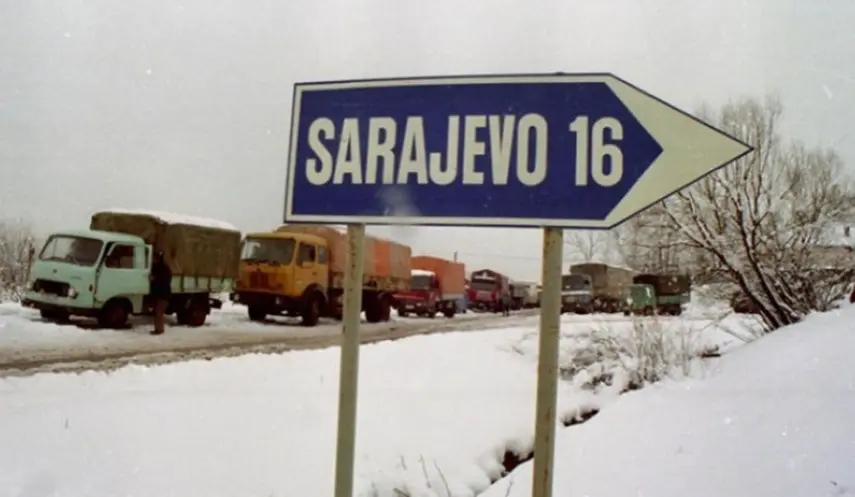
BEOGRAD, FEBRUARY 21 /SRNA/ – Images of the exodus of Sarajevo Serbs following the signing of the Dayton Peace Accords, when many even transferred the remains of deceased relatives, represent some of the most horrific scenes witnessed in modern European, and even global history, cultural analyst Jovan Janjić told SRNA.
"These images testify to the drama endured by the Serbs, but they also show that Serbs did not see their future in such an environment and in the state that was being created after the civil war and the 'signed peace'", Janjić said, marking 30 years since the beginning of the exodus of Sarajevo Serbs.
Janjić noted that the Serbs are a nation that have lived for centuries and continue to live in the territory of BiH.
"These are their ethnic areas, and therefore, if they cannot live in regions where they do not have their own authority, it is important at least to preserve testimony that they once lived there," Janjić stressed.
He pointed out that the greatest crime against a people is not only the killing of its members, but also the erasure of memory and the removal of traces of its historical existence.
Janjić said the scale of the exodus is also reflected in the fact that before the civil war in the former BiH, Sarajevo was the second-largest Serb city, while today the Serb population there has become a minority with little influence over decisions concerning the fate of the city and the canton in which they live.
The mass exodus of Sarajevo Serbs officially began on February 17, 1996, from Serb-held Sarajevo municipalities that, following the signing of the Dayton Peace Accords, were assigned to the Federation of BiH /FBiH/, and lasted almost throughout March of that year.
The Serb population left territories they had defended during the war, taking even their dead with them, as they did not wish to remain under the authority of the FBiH, making their role in the creation of Republika Srpska immeasurable.
It is estimated that between 120,000 and 150,000 Serbs left their homes in the municipalities of Ilidža, Ilijaš, Vogošća, Hadžići, Rajlovac, Grbavica, and Novo Sarajevo, with one of the most distressing aspects being the exhumation and transfer of the remains of Serb fighters.


ADIDAS PREPARES SPECIAL JERSEY FOR MESSI'S FINAL APPEARANCE FOR ARGENTINA
MILIĆ AND KADRIĆ DISCUSS ECONOMIC AND CULTURAL COOPERATION WITH ITALY WITH CASTELLANI
BAN ON DEPLOYMENT OF NUCLEAR WEAPONS LIFTED

MRKAJIĆ: HELICOPTER ENGINE OVERHAUL - ORAO TO ENTER CIVIL AVIATION