VASIĆ: CARTOONS SHAPE CHILDREN'S VIEW OF THE WORLD, CLEARER STANDARDS NEEDED
BiH - society
11/11/2026
09:35

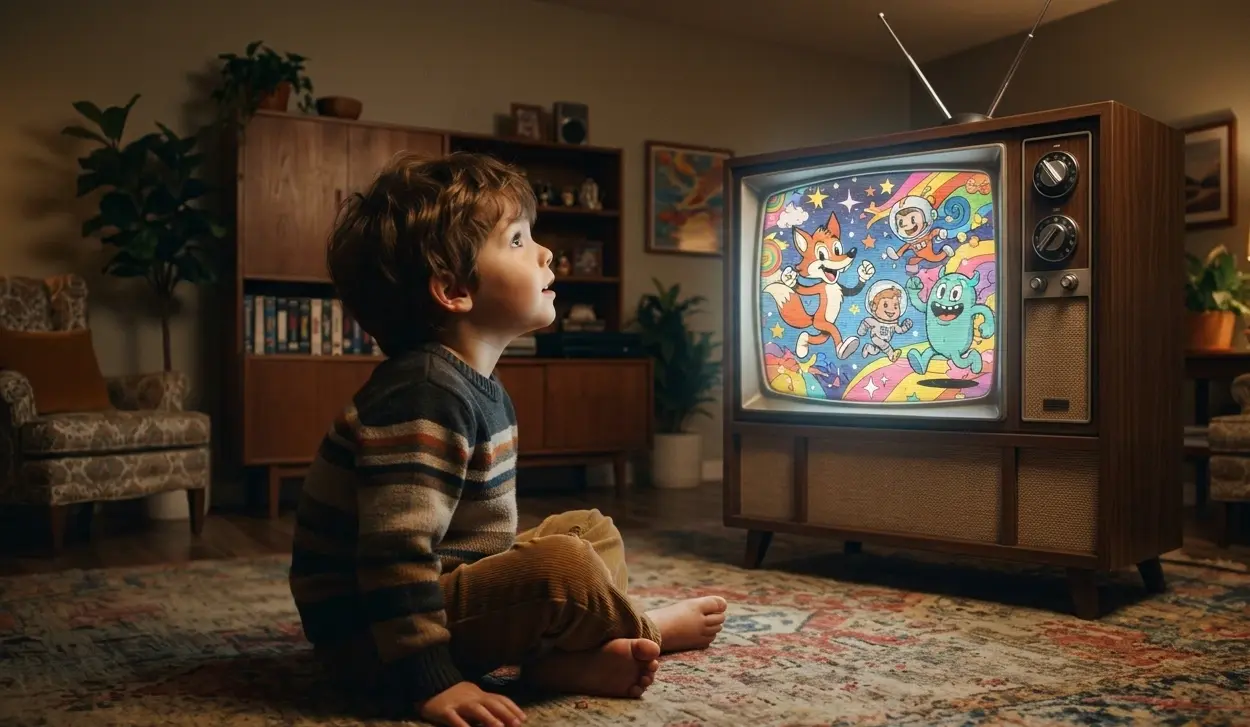
ISTOČNO SARAJEVO, NOVEMBER 11 /SRNA/ - Cartoons are not just entertainment but also an important agent of socialization, so the content offered to the youngest viewers, whether it suits their age and the values it conveys all need to be discussed, sociologist Vladimir Vasić told SRNA.
Vasić said children picked up certain patterns of behavior, values and ideas about the world around them through cartoons, and that media content helped shape their views on what counted as acceptable behavior.
"Criteria need to be established for content intended for the youngest, but that does not mean censorship or the stigmatization of any social group. It means responsibility on the part of creators, the media and parents," Vasić said.
PROBLEM WHEN VIOLENCE BECOMES A PATTERN OF BEHAVIOR
Vasić pointed to the growing amount of violence in animated content for children. Aggression, physical fights, revenge and humiliating others were often presented as entertainment, heroism or an acceptable way of resolving conflict, he said.
It was particularly problematic when violence was shown not just as part of the plot but as a way of achieving a goal, gaining authority or having fun, he said.
"Children learn by watching, imitating and repeating certain patterns of behavior. We cannot claim that a child who watches a violent cartoon will necessarily become violent, but neither can we ignore the impact of such content on normalizing aggression and shaping their ideas of acceptable behavior," Vasić said.
Vasić also believes today's cartoons have become considerably more aggressive and cruder in content than those watched by previous generations.
He noted that older animated films and series such as "Tom and Jerry," "Adventures of the Gummi Bears," "Daffy Duck," "Ewoks" and classic Disney productions, despite their comic conflicts and slapstick fights, were often based on imagination, humor and adventure and had more clearly developed characters.
Earlier productions should not be idealized either, Vasić said, since there were cartoons with violence and physical conflict back then too. The difference lay in how such content was presented, how much of it there was and the messages it sent.
MOST IMPORTANT CRITERION - CHILD'S WELL-BEING
Speaking about the need to re-examine the values conveyed through animated films, Vasić said attention must not be limited to just one type of content.
"If we are worried about what children watch, then we must talk just as seriously about violence, aggression and disrespect, as well as about all other content that may affect how they grow up. The most important criterion must be the well-being of the child," Vasić warned.
Vasić said a broader public debate was needed on the values being passed on to the youngest, and that responsibility for what children watch could not be shifted onto parents alone.
He stressed that cartoons were made by adults, not children, so their creators and those who put them on the market had to take into account the age of the audience and the possible impact of the content.
"A child does not need cartoons that teach them the world is a place of constant conflict, but content that develops imagination, empathy, friendship, responsibility and a sense of care for others," Vasić said.
SRNA has reported that same-sex couples, families with two fathers or two mothers and LGBT characters are increasingly common in cartoons and animated series. This raises the question of how familiar parents are with the content their children see on television and online platforms.
One example is the popular animated series "The Loud House," which features a boy named Clyde and his fathers Howard and Harold, while some episodes also include same-sex romantic relationships.
Similar examples can be found in many other animated productions available to children around the world. Through television and online platforms they can also be watched in the region, where traditional family models still hold an important place in social life.