SERBIAN ARMY LIBERATED SARAJEVO TODAY IN 1918
BiH - history - Kostović
11/06/2026
14:19


ISTOČNO SARAJEVO, NOVEMBER 6 /SRNA/ – Historian Aleksandar Kostović from Istočno Sarajevo told SRNA today that on this day in 1918, the Serbian Army, under the command of Duke Stepa Stepanović, liberated Sarajevo, while the famous Serbian Second Army marched along the banks of the Miljacka River, welcomed by around 30,000 citizens.
Kostović noted that in 1919, the riverbank was named after Duke Stepanović, one of the most renowned and beloved Serbian military commanders, who won the sympathy of all Sarajevo residents during his brief period of service in the city.
"During the Second World War, the street was named after fascist dictator Adolf Hitler, only for Duke Stepa to have the riverbank named after him again immediately following liberation. However, since 1993, it has been known as Kulin Ban Riverbank," Kostović said.
According to him, anyone who fails to recognise that there would have been no April 6, 1945 without November 6, 1918, is incapable of reading history, which clearly shows who brought freedom to this city and who alone can bring it to this part of the world.
Kostović noted that the first Serbian soldier to arrive in Sarajevo in 1918 was Lieutenant Colonel Živan Ranković, who travelled to the city by train from Višegrad together with Serbian soldiers from the 14th Regiment of the Timok Division, including several officers and a military chaplain.
"Živan Ranković, November 6 Square and Street in what was once Sarajevo, as well as Stepa Stepanović Riverbank, preserved the memory of this glorious date, which was once cherished by all Sarajevo residents, regardless of their religious affiliation," Kostović said.
He noted that the square below Bistrik was established in the early 20th century, following the construction of Austro-Hungarian military buildings on both sides of it. It was initially called Military Square, before being renamed Ranković Square on January 10, 1919.
After World War II, Kostović pointed out, it was renamed April 6 Square; it has been known as Austrian Square since 1993 marking another new liberation,.
Kostović also noted that today's Bistrik Street, which runs from the Miljacka River, past the former Ranković Square, to the top of the Bistrički Potok, bore that name until 1931. It was then renamed November 6 Street in honour of Sarajevo's Liberation Day, before reverting to Bistrik in 1993.

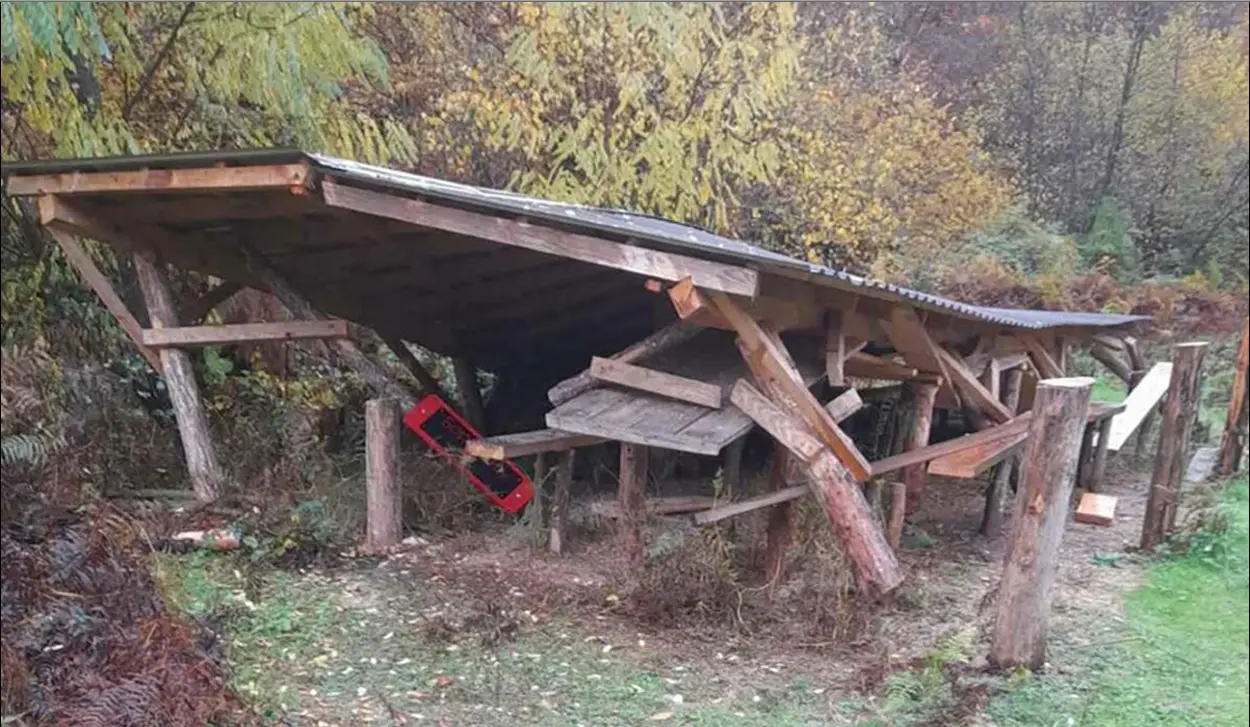
JOVIĆ: FBiH MUST SEVERELY PUNISH THOSE DESTROYING SERB PROPERTY

STANKOVIĆ: AGREEMENT AMONG SOCIAL PARTNERS ON WAGE GROWTH IS ENCOURAGING

VUKADINOVIĆ PRESENTS FOČA'S AND SRPSKA'S POTENTIAL IN BRUSSELS
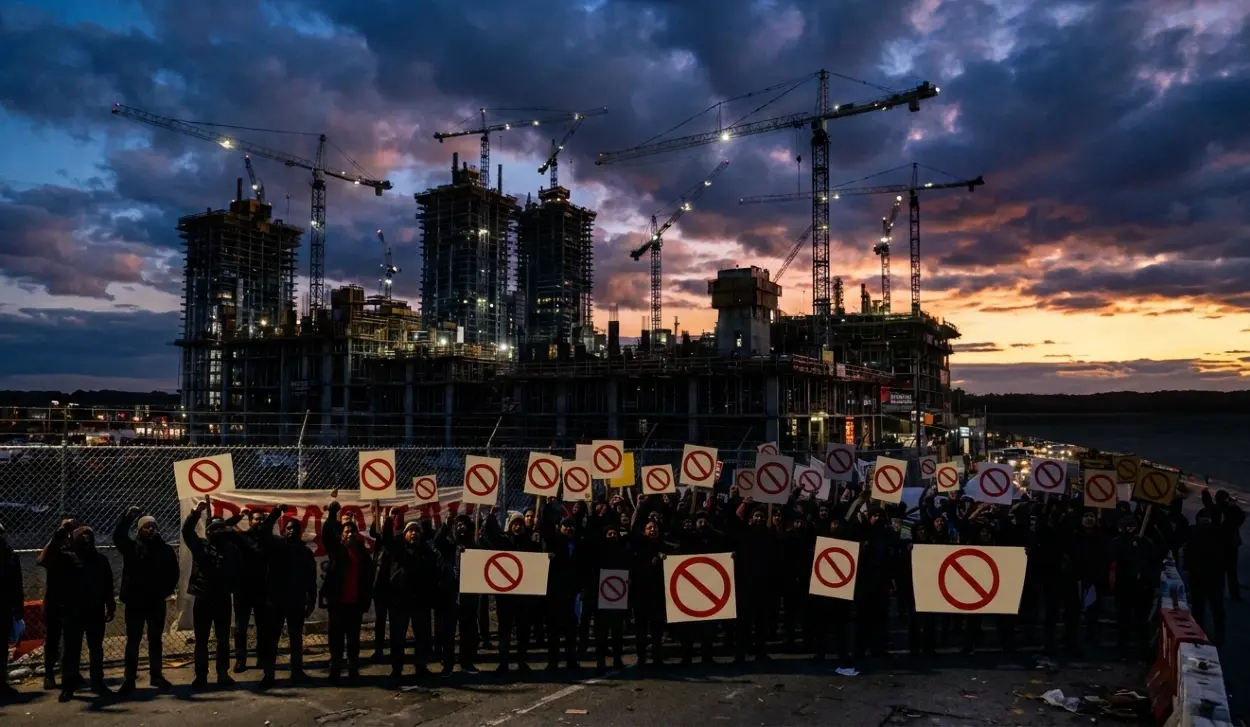
ACTIVISTS OCCUPY MICROSOFT CONSTRUCTION SITE