ITA PUSHES FOR IMMEDIATE ACTION, CALLS ON FBiH TO RESOLVE ISSUE
BiH - ITA - new border crossing
12/09/2025
11:47
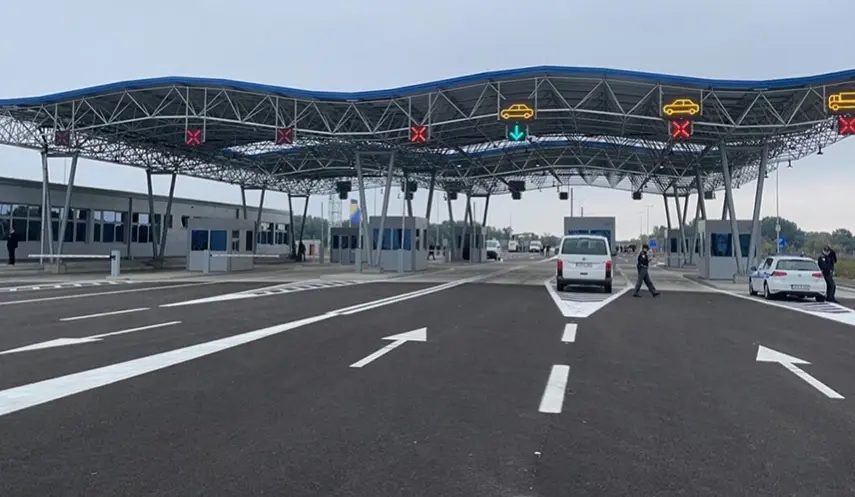
BANJA LUKA, DECEMBER 9 /SRNA/ – The Indirect Taxation Authority /ITA/ of BiH has called on all relevant actors in BiH to urgently ensure the conditions needed to open the new Gradiška border crossing for international passenger and freight traffic, specifically by having the ITA Management Board adopt Amendments to the Rulebook on the Internal Organization of the ITA today or tomorrow.
The ITA also urged the Government of the Federation of BiH to swiftly engage in resolving this issue, noting that it was precisely the FBiH Government that appointed Zijad Krnjić to the ITA Management Board.
The Authority stated that the Management Board unfortunately failed to adopt the Amendments to the Rulebook on the Internal Organization of the ITA, meaning that the conditions for opening the new Gradiška border crossing - Novi Most–Gornji Varoš - have not been met.
"The ITA expresses its regret and dissatisfaction with the Management Board's decision, as we believe that end users - citizens and the business community - must not bear the cost of internal political and other turbulence in BiH," the statement said.
According to official data, more than four million passengers and more than one million vehicles cross the Gradiška border crossing annually, with a significant portion being citizens and businesspeople from the Federation of BiH.
The ITA reminded that the adoption of the amendments establishing a new organizational unit, the Customs Office, at the new Gradiška border crossing is a prerequisite for meeting all other requirements needed for customs operations at the site.
These requirements, it explained, include assigning a border crossing code so that the entry or exit point of goods into/from BiH is recorded, providing IT infrastructure and access to the customs application at the new location, producing a stamp for the new organizational unit, and integrating the new border crossing into the NCTS system.
It is also necessary to integrate the crossing into the TIR and ATA systems, as well as meet other conditions required for the implementation of customs procedures, all of which depend on the prior establishment of the competent organizational unit.


SCOTLAND, WALES AND NORTHERN IRELAND CALL FOR INDEPENDENCE REFERENDUM
RELIABLE INFORMATION CRUCIAL TO FINDING MISSING PERSONS

ŠKRBIĆ RECEIVES RECOGNITION IN THE UNITED STATES FOR ACHIEVEMENTS IN SCIENTIFIC RESEARCH

ORBAN: COMMON FOREIGN POLICY MEANS GIVING UP SOVEREIGNTY